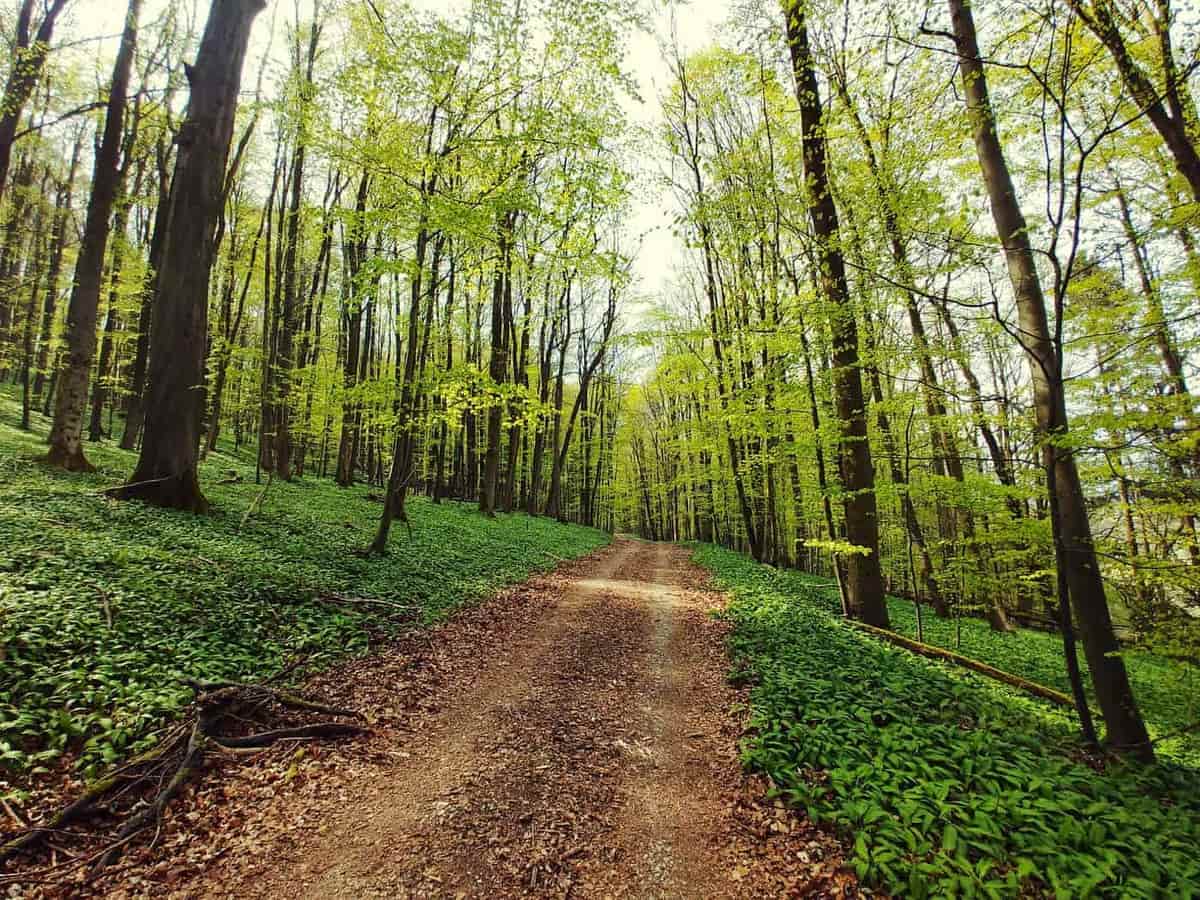
A ground blind is the most photogenic thing in the turkey aisle, and it is easy to read the pictures as a promise: buy the box, sit in the box, kill a turkey. It doesn't work like that. A blind solves a short list of specific problems, and a first-season hunter often has none of them. This guide is part of our decoys and blinds section, and it takes the question straight: what a blind does, who it helps, what it costs you, and what to spend the money on if the answer is no.
The short version: most hunters don't need one
The setup every agency teaches is a hunter, a tree and a call. Florida's Fish and Wildlife Conservation Commission tells new turkey hunters: “When calling, always set up against a tree taller than your head and wider than your shoulders before you start calling.” The National Wild Turkey Federation says the same thing about the tree itself: it “should be as wide as, or wider than your back and shoulders so that your body outline is concealed.” Neither one says buy a blind first.
That is because a blind does one job: it hides movement. It doesn't hide sound or scent, and it doesn't call a bird in for you. If you can sit still against a tree in camo with your face and hands covered, you already have the concealment a blind would buy you, at a fraction of the weight. The money is usually better spent on a call you'll practice with, a seat you can stand for three hours, and shells you have patterned.
Who a blind really helps
1. You're taking a child or a brand-new hunter
This is the best reason on the list. A young or new hunter will shift, scratch, whisper and look around, because sitting frozen for two hours is a learned skill nobody has on day one. Inside a blind that movement costs nothing. Against a tree it costs you the morning. Vermont Fish & Wildlife puts it plainly in its turkey hunting safety tips: “Avoid unnecessary movement. This alerts turkeys and attracts hunters.”
If that's your reason, buy for floor space, not for camo pattern. Two people on chairs with a gun, a pack and a camera need room. Ameristep rates its Silent Brickhouse Wide Bottom at 75 x 75 in, 39 sq ft, with room it says is “for up to three adult hunters and all their gear.” The blinds we rank, and what each one's floor really fits, are in our best turkey hunting blinds.
2. You'll hunt with a bow
Drawing a bow is the largest movement anyone makes in front of a turkey, and no tree hides it. This is the one case where a blind is close to standard equipment. Barronett builds the Prowler 300 for it and says its 80 in peak height “gives most bowhunters the ability to draw and shoot while standing.” Archery brings its own rule about mesh, which we cover below.
3. You already know you can't sit still yet
Be honest about this one instead of finding out at fly-down. If ten minutes against a tree has you rearranging your legs, a blind buys you patience you haven't built yet. That is a crutch, and crutches are fine in a first season: it lets you put in the hours you would otherwise fidget away.
4. Weather you won't last in
An enclosed blind is a fabric box with a roof, so it keeps rain and wind off you, your gun and your calls, and a dry hunter stays out until 11 a.m. instead of leaving at eight. Don't confuse that with a tent: Barronett gives the Prowler 300 an exterior DWR finish and an interior PU coating and calls the fabric water-resistant, while Ameristep publishes no water rating at all for its Durashell Plus shells.
5. There is no tree to sit against
Field edges, pastures, cut-overs and young replanted timber can leave you with nothing wide enough to break up your outline. The NWTF's guide to picking a turkey hunting tree also wants room to work: “Your ideal tree should have a five-foot radius of space in the directions you plan to shoot.” When the ground you have can't give you both, a blind makes the spot huntable.
What a blind costs you
Every one of those reasons is real. So are these, and the sales pages don't list them.
- Weight. Published weights on the blinds we rank run from 8.6 lb for Ameristep's Doghouse Run & Gun to 15.4 lb for the Silent Brickhouse Wide Bottom. That is on top of a chair, a gun, a vest and decoys, before you have walked anywhere.
- Setup, in the dark, quietly. Hub blinds go up fast once you know them, but opening morning is not the time to learn. Stakes rattle and fabric pops, within earshot of roosted birds.
- You are committed to one spot. This is the big one. Turkeys don't always come to where you guessed, and a hunter with a vest and a seat can move 300 yards to a bird gobbling somewhere else. The hunter in a blind either stays or spends fifteen minutes packing up.
- Your view shrinks. Maryland's Department of Natural Resources warns to “maintain a clear field of view when using a camouflage blind or netting,” and Vermont's page says it another way: “Don't hide so well that you impair your field of vision.” You need to see people coming, not just birds.
- One more thing to own, dry out and store. Ameristep's one-year blind warranty “does not cover any type of animal or weather damage,” which tells you what happens to a blind left standing in the woods for a month.
What to buy instead: a tree, a seat and a mask
Saying no to a blind is not going without concealment. It is buying the three-piece version, at about a tenth of the weight.
The tree is free, and it is the most important piece. Maryland DNR: “Sit against a large stump, blow-down, tree trunk or rock that is wider than your shoulders and higher than your head when calling wild turkeys.” That is concealment and a safety habit in one sentence, because a trunk that covers your outline also covers your back. Picking the tree, the sun and the wind is the whole subject of our turkey hunting setup walkthrough.
A seat is what decides how long you last. Sitting on the dirt goes numb; sitting too high puts your head and shoulders out past the trunk. Low turkey chairs are built for that narrow window: the ALPS OutdoorZ Vanish sits 8 in high at the front and 5 in at the back, with armrests, a 21 in backrest and a 300 lb rating at 7 lb, and Barronett describes the 6 in seat height on its Ground Gobbler as giving a minimal silhouette. Blind chairs are a different tool, built at 18 in and up to line your eyes up with hub-blind windows. Both kinds are ranked in our best turkey hunting chairs.
A mask and gloves cover what camo doesn't. Your face and hands move and shine. Florida FWC's safe hunt page puts them in the basic kit: “wear camouflage or drab green and brown clothing, including gloves and a face mask.” If you wear glasses, buy a mask that says so: QuikCamo's 3D leafy bucket hat has the mask built in and is sold as “easy to wear with glasses” with anti-fog mesh. More masks and gloves, including cheaper 3/4 nets, are in our mask and glove picks.
If you do buy one, what to look for
- Floor space, counted in people and chairs. Makers rate blinds by hunters, and those numbers are optimistic. Read the footprint instead: 69 x 69 in suits two adults, 75 x 75 in suits two plus a kid, and 58 x 58 in is a one-person blind in practice.
- A black interior. It is what keeps you from being a silhouette in your own windows. Ameristep says its ShadowGuard coating “eliminates shadows and silhouettes”; Barronett says a black interior “reduces light and silhouetting.” If a maker doesn't publish one, notice that.
- Windows you can move without noise. Hook-and-loop is loud. Ameristep publishes a silent hook-and-elastic window system on its hub blinds; Rhino publishes silent-slide windows. Or skip the problem with see-through mesh walls you never open, which is the trade we work through in see-through vs traditional ground blinds.
- A weight you will actually carry. If the blind lives on a field edge you can drive to, 15 lb is nothing. If you walk a mile in on public ground, it is the reason the blind stays in the garage.
- Set it up in the yard first. Put the chair inside, sit down, and check that your eyes and your muzzle line up with the windows you'll shoot through. Most makers don't publish window heights, so this is the only way to know.
Picks for either answer
One blind for the hunters who need one, and the two pieces everyone else should own instead. We haven't sat in, sat on or worn any of them; every spec is the maker's, linked on each card.
Our picks for this
The blind, the seat and the mask
Buy the blind only if one of the five reasons above is yours. Buy the seat and the mask either way.
- Illustrative photo
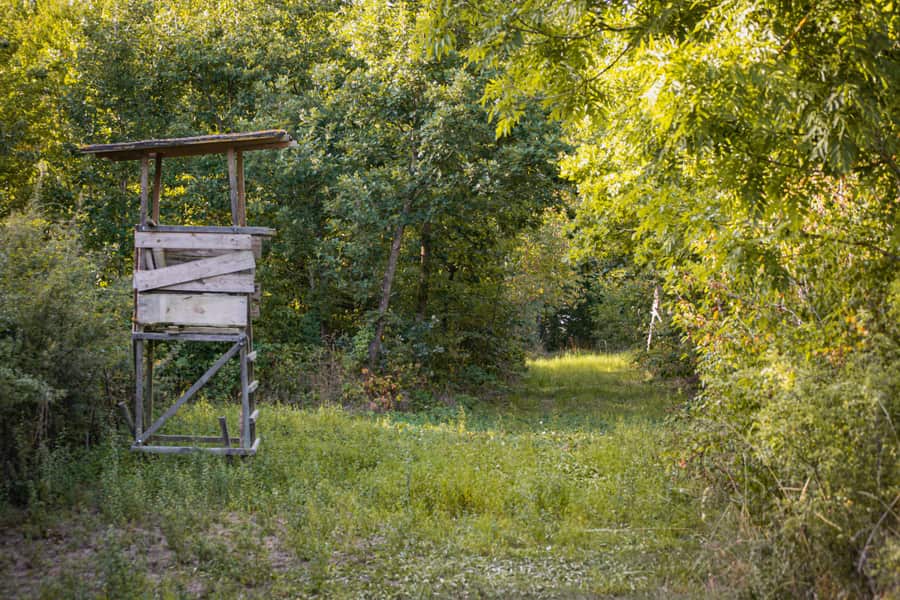
Best roomy traditional blind for three hunters
Ameristep Silent Brickhouse Wide Bottom
Ground blind8.0/10The blind to buy if the reason is people: a 75 x 75 in floor Ameristep sizes for three adults, 10 windows on silent connectors, gun ports and two brush loops, at 15.4 lb.
Check price on Amazon#ad · Price set by Amazon · Disclosure for the link to Ameristep Silent Brickhouse Wide Bottom
- Illustrative photo
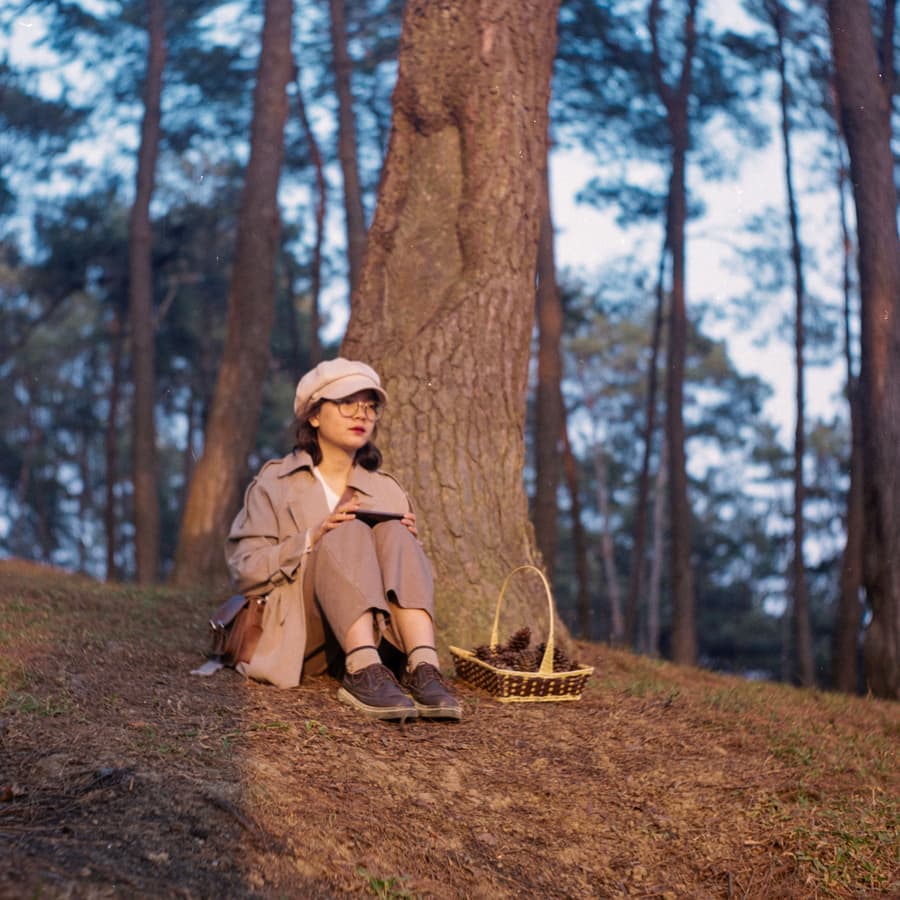
Best turkey chair for a first season
ALPS OutdoorZ Vanish
Turkey seat7.0/10The seat that replaces a blind for most hunters: 8 in at the front, 5 in at the back, armrests and a 21 in backrest, 7 lb, and ALPS warranties defects for the life of the product.
Check price on Amazon#ad · Price set by Amazon · Disclosure for the link to ALPS OutdoorZ Vanish
- Illustrative photo
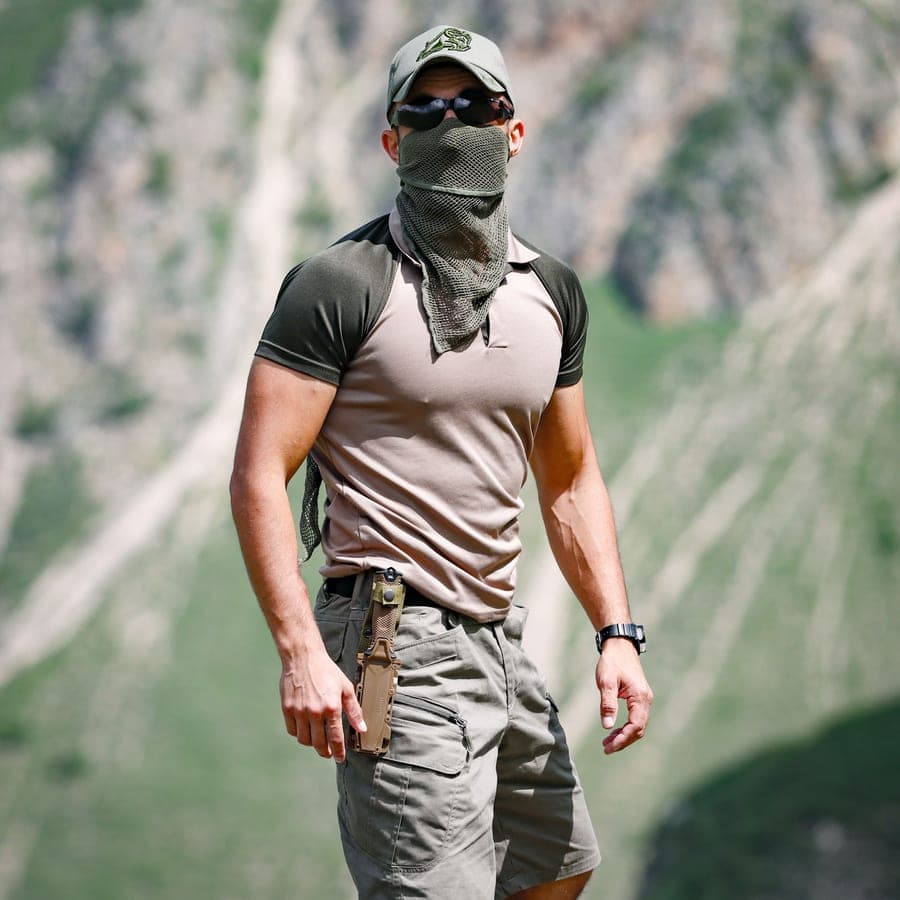
Best face mask for hunters who wear glasses
QuikCamo 3D Leafy Bucket Hat & Camo Mask
Mask / gloves7.7/10Hat and full face-and-neck mask in one piece, sold as easy to wear with glasses, with anti-fog mesh and vents at the mouth and cheeks.
Check price on Amazon#ad · Price set by Amazon · Disclosure for the link to QuikCamo 3D Leafy Bucket Hat & Camo Mask
How to decide, before opening day
- Sit against a tree for 30 minutes while scouting, in the gear you'll hunt in. If you can do it twice without squirming, you don't need a blind.
- Count who is coming with you. Hunting alone points at a seat. Bringing a kid points at a blind with a big floor.
- Look at the ground, not the catalog. Walk where you plan to hunt and find your tree. If there isn't one, that is your answer.
- Check your state's blind rules before you spend anything.
- If you buy one, practice with it. Set it up and take it down at home twice, then again in the dark with a headlamp.
There is a middle option, too. Ameristep's Throwdown is a three-panel stake-out wall of about 2 lb that Ameristep says “easily stows in your turkey vest.” It hides your legs and hands behind a 29 in wall, not your head, and it doesn't enclose you, which matters where state rules define a blind.
How we picked this
Gear we claim to have field-tested: none
Plenty of turkey sites say they ran every call on the list all spring. We don't say that, and we say so on every page. What we do instead: read each maker's published specs, materials and instructions; note the sounds a maker says a call makes and how it says the call handles rain; check a choke's load ratings and thread chart; compare published weights, pockets and seat heights; and score all of it on a published rubric built around a first-season hunter. Every spec links to where it came from.
Scores are computed from that documented research with fixed bands, not field trials. Commissions never set a score or decide a pick. The rubric and its bands are published.
Questions
Frequently asked
Do you need a blind for turkey hunting?
No. Most turkey hunters set up against a tree wider than their shoulders and never carry a blind. A blind is worth the weight when you bowhunt, bring a child or a restless beginner, hunt in bad weather, or hunt open ground with no tree to break up your outline.
Is a ground blind good for turkey hunting?
It is good at one thing: hiding movement. It does nothing for sound or scent, and it commits you to the spot you picked in the dark. That trade is worth it with a bow or a young hunter along, and usually not when you are hunting alone.
What do you need instead of a blind for turkey hunting?
A tree wider than your shoulders, a low seat and a face mask and gloves. Florida FWC tells new hunters to wear “camouflage or drab green and brown clothing, including gloves and a face mask,” and to set up against a tree taller than your head before you call.
Can you bowhunt turkeys without a ground blind?
People do, but drawing a bow is the biggest movement you can make in front of a turkey, which is why archery blinds exist. Barronett says the Prowler 300's 80 in height lets most bowhunters draw and shoot while standing.
How heavy is a turkey hunting blind?
The blinds we rank run from about 2 lb for the Ameristep Throwdown panel to 15.4 lb for the three-hunter Ameristep Silent Brickhouse Wide Bottom. The lightest enclosed blind we rank is the 8.6 lb Ameristep Doghouse Run & Gun.
Are ground blinds legal for turkey hunting?
It depends on your state. Pennsylvania, for one, requires turkey blinds to be made of manmade materials dense enough to block movement seen from outside and to enclose the hunter on all four sides and from above, and bans blinds that represent a gobbler's fanned tail. Check your own state wildlife agency.
Do you have to brush in a turkey blind?
Makers build for it either way: Ameristep puts two camo brush loops on the Silent Brickhouse Wide Bottom, while Barronett lists no brush holders on the Prowler 300. If your blind has loops, they are there to tuck local cover into so the blind matches the spot you set it in.
Keep reading
Related on Strut & Slate
- Best ground blinds for bowhunting turkeysThe one case where a blind is close to mandatory.
- Best turkey hunting blindsSix blinds ranked, from a 2 lb panel to a three-hunter hub.
- See-through vs traditional ground blindsMesh walls or nine windows, if you decided to buy one.
- Best turkey hunting chairsLow chairs for a tree, blind chairs for windows.
- Turkey hunting setupPicking the tree, the sun and the wind.
- Best turkey face masks and glovesThe concealment you need whether or not you own a blind.
- How to set up turkey decoysWhere the decoys go once you have chosen a spot.
Receipts
Sources
- Ameristep — Silent Brickhouse Wide Bottom product page (read 2026-09-22)
- Ameristep — Doghouse Run & Gun product page (read 2026-09-22)
- Ameristep — Throwdown turkey blind product page (read 2026-09-22)
- Ameristep — FAQs: ground blind warranty and shoot-through mesh (read 2026-09-22)
- Barronett Blinds — Prowler 300 hub blind product page (read 2026-09-22)
- Feradyne Outdoors (Rhino Outdoors) — Rhino 180 See-Through Hunting Blind product page (read 2026-09-22)
- ALPS OutdoorZ — Vanish chair product page (read 2026-09-22)
- ALPS OutdoorZ — Warranty and return policy (read 2026-09-22)
- Barronett Blinds — Ground Gobbler Chair product page (read 2026-09-22)
- QuikCamo — Hunting Hat & Camo Mask: 3D Leafy Bucket / Boonie Hat (Mossy Oak / Realtree) product page and its store product data (read 2026-09-22)
- Florida FWC — Safe Hunt (turkey) (read 2026-09-22)
- NWTF — How to Pick a Turkey Hunting Tree (read 2026-09-22)
- Maryland DNR — Turkey Hunting Safety Tips (read 2026-09-22)
- Vermont Fish & Wildlife — Turkey Hunting Safety Tips from VTF&W (read 2026-09-22)
- Pennsylvania Game Commission — Gobblers Take Center Stage In Penn's Woods (2026 spring news release) (read 2026-09-22)
We don't claim to have field-tested, owned or hunted with the products on this page. Specs come from the maker's own product pages and manuals (or a named dealer's copy when the maker's site blocked us), sound and performance claims are attributed to the maker, and any third-party observation is attributed to whoever made it. Amazon prices change often, so we don't print them. Where a figure isn't published, we say so and it earns the lowest band. Read the full method.