Start with paperwork, not gear
The first three items on any turkey hunting gear list are not gear. They are a hunting license, a turkey tag or permit, and the hunter education certificate your state asks for. Nothing else on this page matters until those are in your pocket, and every one of them is issued by your state, not by a store. Start at our first-season hub, then open your own state wildlife agency's turkey page and read it start to finish.
Hunter education is the piece beginners most often skip, and it is also the cheapest thing on the list. IHEA-USA, the association that coordinates these courses, keeps a state-by-state course finder whose whole purpose is to “Choose a State to FIND A COURSE and Learn Hunter Ed Requirements.” IHEA-USA says hunter education courses “train and certify more than 550,000 students annually” and cover “firearm safety, bowhunting, wildlife management, field care of game, responsible hunting, landowner relations, wildlife identification, and much more.”
Buy the tag at the same time, and read the tagging instructions before opening morning rather than with a bird on the ground. New York tells hunters they “must fill out the tag which comes with your permit and attach it to any turkey you shoot immediately.” Pennsylvania goes further: hunters there “must immediately tag their bird before moving it from the harvest site” and must report the harvest to the Game Commission “within 10 days.” A pen that works in the rain belongs in your vest for exactly this reason.
The checklist
Three tiers. Everything in the first tier is on the list because a spring morning goes badly without it. Everything in the second tier solves a real problem but is not the difference between hunting and not hunting. Everything in the third tier is worth owning eventually and is a poor use of first-season money.
| Item | Tier | Why it sits there |
|---|---|---|
| License, turkey tag, hunter education | Need it | Issued by your state; requirements and deadlines differ everywhere |
| Shotgun you have patterned | Need it | Paper tells you your real range; nothing else does |
| Turkey choke that fits your barrel threads | Need it | Tightens the pattern; must match your gauge, threads and load |
| Turkey loads to pattern and hunt with | Need it | Buy several boxes of one load, not one box of several |
| Drab clothing, head to boots | Need it | Agencies say camouflage or drab green and brown, never turkey colors |
| Face mask and gloves | Need it | Your face and hands are the two bright, moving things a bird sees |
| One call you can run | Need it | A box call is the usual starting point; one call beats five |
| Something to sit on | Need it | Comfort is what keeps you still long enough for a bird to close |
| Knife, tags, pen, water, snack | Need it | Field care and a long sit; the pen is for the tag |
| Headlamp with a red or green setting | Need it | You walk in well before daylight |
| Turkey vest | Helps | Organizes calls and shells and usually carries its own seat |
| Tick and bug protection | Helps | Spring woods are exactly the habitat the CDC describes for ticks |
| Locator call (owl or crow) | Helps | Makes a gobbler answer so you know where to be at dawn |
| A hen decoy | Helps | Gives an approaching bird something to look at other than you |
| Binoculars | Helps | Identification at distance, which is a safety issue as much as a hunting one |
| Blaze orange bag or vest for the walk out | Helps | Agencies tell you to cover a decoy or a bird while you carry it |
| Second and third call types | Can wait | Learn one first; the rest are a year-two project |
| Strutter or full-fan decoy | Can wait | The highest-risk decoy to carry and set, especially on shared ground |
| Ground blind | Can wait | A wide tree does the same job for free most mornings |
| Gobbler or gobble call | Can wait | It can call in other hunters, which is why agencies warn against it |
| Electronic calls | Can wait | Flatly illegal for turkeys in some states |
| A full premium camouflage system | Can wait | Drab clothing you already own satisfies what the agencies actually ask for |
We have not hunted with any of the products on this page. Everything specific below comes from a maker's own page or from a conservation group or state agency, and every one is linked in the sources. Our scoring method explains how the numbers on each pick are produced.
What you actually need, in the order to buy it
- Your license, tag and hunter education. Covered above. Do this first because some courses fill up months before spring.
- A shotgun, a choke and one load you have patterned together. You almost certainly do not need a new gun. What you need is to know what the gun you have actually does on paper. Mississippi State University Extension's turkey patterning publication exists for precisely this, and the NWTF frames the reason plainly: “Knowing how it shoots with a specific load and choke at various distances takes the guesswork out of shooting a gobbler.” Work through what choke for turkey hunting to pick a tube that matches your gauge and threads, then how to pattern a turkey gun to prove it. Guns and shells are not sold here and never carry a buy button on this site; chokes are.
- Clothing that covers you, including face and hands. Florida FWC's turkey safe-hunt page puts the whole clothing rule in one sentence: “When turkey hunting, wear camouflage or drab green and brown clothing, including gloves and a face mask.” The NWTF adds that “a good camo pattern for the terrain you are hunting is essential.” Note what neither says: a brand. Drab clothes you own, plus a mask and gloves, meet the standard. What to wear from the boots up is in what to wear turkey hunting.
- One call. One. A box call is the usual first call because the motion that makes the sound is large and repeatable. Our picks across every call type are in the best turkey calls for beginners, and the practice path is in how to call a turkey for beginners.
- Something to sit on. Not a luxury. Vermont Fish & Wildlife tells hunters to “always sit with your back against a tree trunk, big log or a boulder that is wider than your body,” and the NWTF's tree guide says the tree “should be as wide as, or wider than your back and shoulders so that your body outline is concealed.” A cushion or a low chair is what lets you stay against that tree for two hours instead of twenty minutes. Options are compared in the best turkey hunting chairs.
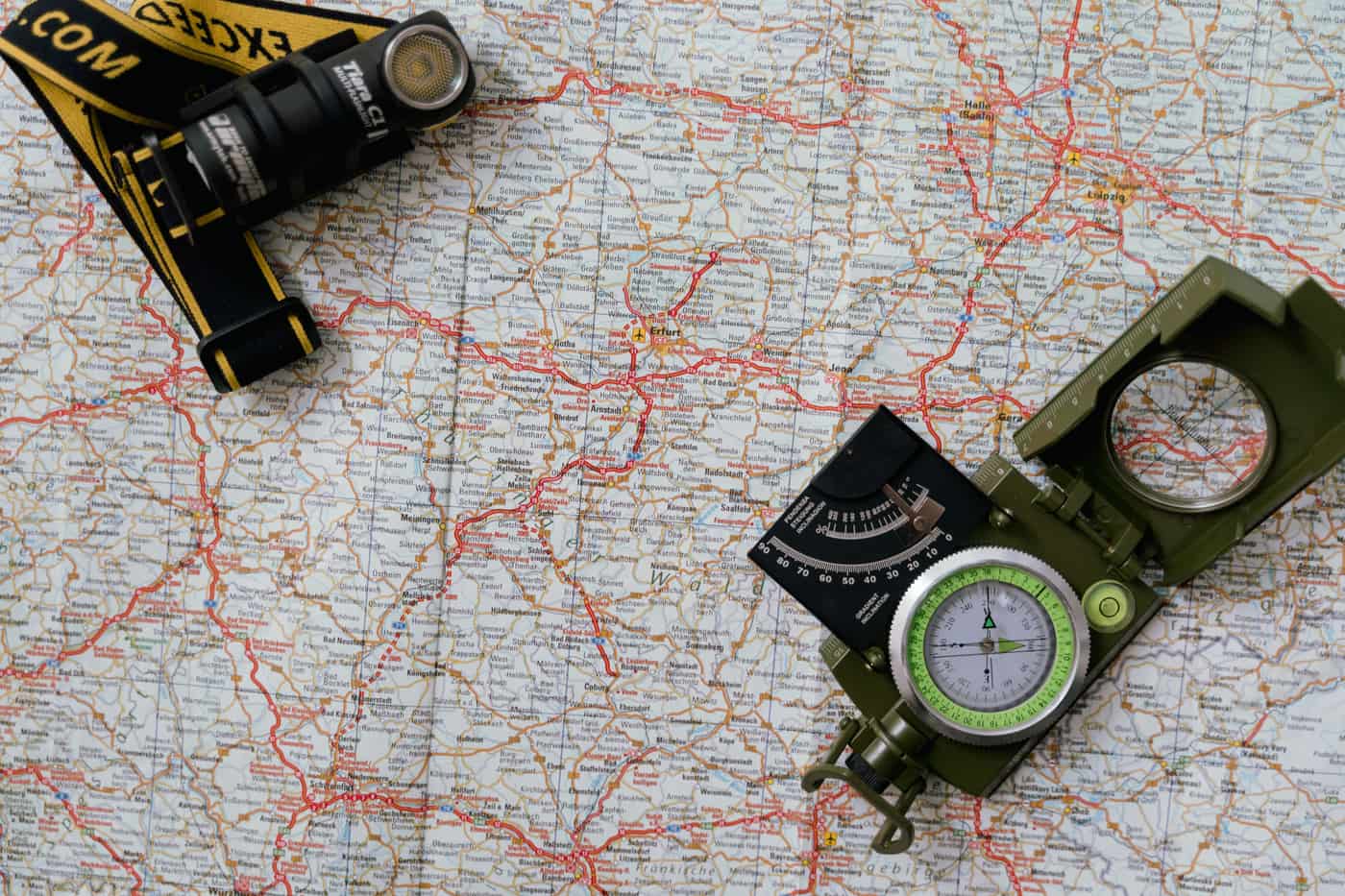
- The small stuff. Knife, your tag and a pen that writes wet, water, a snack, a headlamp, your phone and a way to navigate. None of it is exciting and all of it gets used.
What to look for in the four you will shop for
Four items on the list are genuine purchases rather than things you already own. Here is the buying rule for each, before any product name.
- A call: a maker that says in writing the call suits beginners, and a surface that survives the weather you hunt in. A plain chalked wood box is fine if you can keep it dry; if spring where you live means rain, buy a box the maker rates for wet use.
- A vest: published pockets for the call types you own, a published weight, a published chest range that includes yours, and a seat. A vest with a seat means you do not buy a seat twice.
- A face mask or gloves: breathable mesh you can wear for three hours in May, adjustment you can make without lifting your hands to your face, and camouflage on both sides. If you wear glasses, buy the mask that says so.
- A choke: the right gauge, a version that fits your barrel's exact thread pattern, and a load rating from the maker that covers the shells you plan to shoot. Buying a tube before you know your thread pattern is the most common way to buy the wrong one.
Our picks for this
Four picks for a first-season list
One call, one vest, one face mask and one choke, chosen against the rules above. Every spec is the maker's own, and prices show only when Amazon can confirm them.
- Illustrative photo
Best all-weather box call
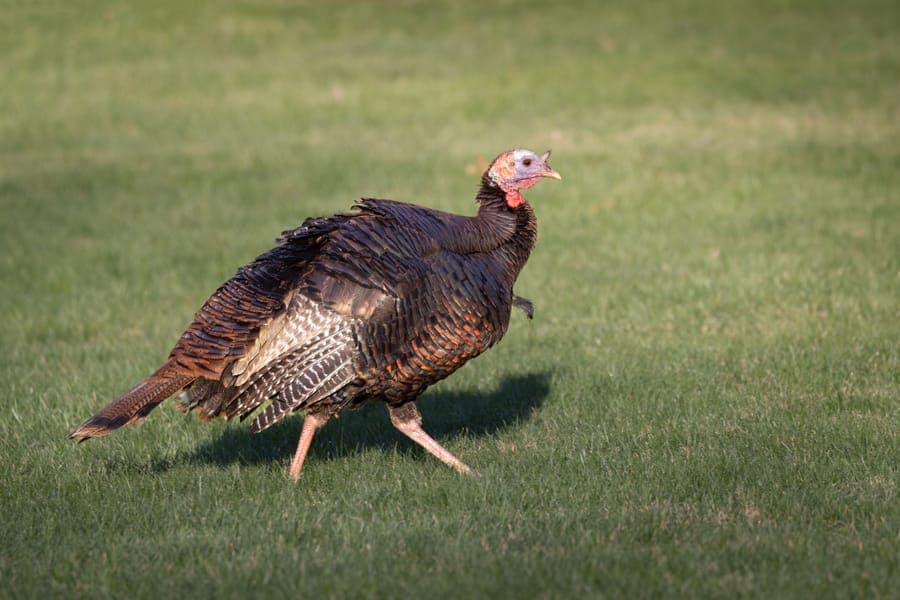
ESH Custom Calls All Weather Turkey Box Call
Box call7.9/10ESH says its coating "keeps you calling in rain or shine" and that the call is made "for beginner and pro hunters alike." Five sounds listed, including the fly-down cackle. No published warranty.
Check price on Amazon#ad · Price set by Amazon · Disclosure for the link to ESH Custom Calls All Weather Turkey Box Call
- Illustrative photo

Best all-around turkey vest for a first season
ALPS OutdoorZ Super Elite 4.0 Turkey Vest
Vest with seat7.8/1022 pockets, including a silent box call pocket and three striker pockets, at 3 lb 1 oz in M/L with a removable 2.5 in seat, per ALPS. Chest ranges cover 38 to 52 in; lifetime defect warranty.
Check price on Amazon#ad · Price set by Amazon · Disclosure for the link to ALPS OutdoorZ Super Elite 4.0 Turkey Vest
- Illustrative photo
Best 3/4 mask for spring
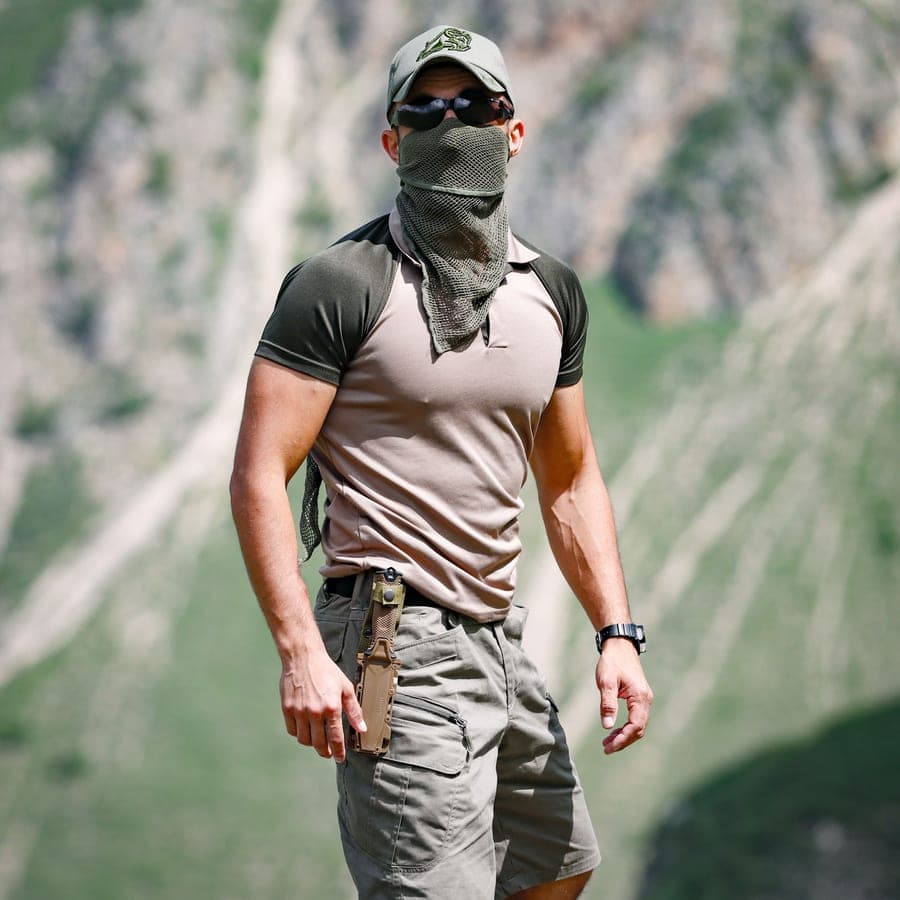
Mossy Oak Tibbee 3/4 Mesh Mask
Mask / gloves6.6/10Polyester mesh Mossy Oak builds "for Maximum Breathability," with 4-way stretch, a silicone nose grip and a rear pullcord so you adjust it without hands to your face. No size range published.
Check price on Amazon#ad · Price set by Amazon · Disclosure for the link to Mossy Oak Tibbee 3/4 Mesh Mask
- Illustrative photo
Best turkey choke for lead or TSS
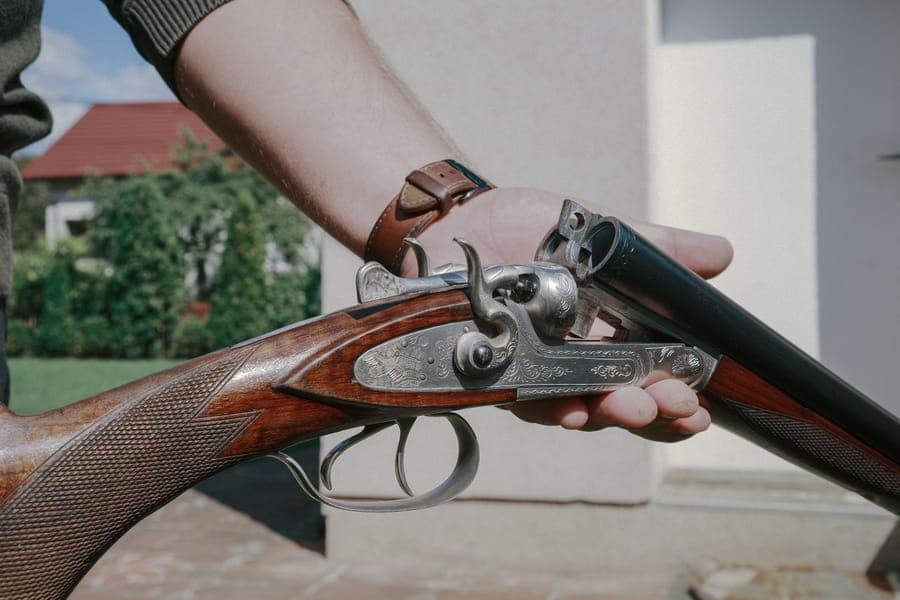
Kick's Gobblin' Thunder Turkey Choke Tube, 12 Gauge
Turkey choke9.3/10Kick's says this tube "can be safely used with lead, TSS, or other non-toxic loads" and sells 19 separate 12 ga thread versions, with six exit diameters in Invector Plus alone. No published warranty.
Check price on Amazon#ad · Price set by Amazon · Disclosure for the link to Kick's Gobblin' Thunder Turkey Choke Tube, 12 Gauge
One honest note on that list: the vest carries its own 2.5 in seat, so if you buy it you can leave the separate chair off your first-year list and add one later if you want a backrest. And if you hunt a 20 gauge or a .410, the choke above is the wrong gauge for you: start from our turkey choke picks and match the gauge and thread pattern first.
What genuinely helps
None of this is required. All of it solves a problem you will actually have.
- A vest. A pack would work. A vest is better because the pockets are laid out for the things turkey hunters carry, and most turkey vests include a seat, which collapses two purchases into one. How to choose between them is in how to choose a turkey vest, and the field is ranked in our turkey vest picks.
- Tick protection. The CDC's tick prevention page says ticks “live in grassy, brushy, or wooded areas,” which describes every place you will sit in April. Its advice is to “treat clothing and gear with products containing 0.5% permethrin” and to use EPA-registered repellents containing DEET, picaridin, IR3535, oil of lemon eucalyptus, PMD or 2-undecanone, then to shower within two hours of coming indoors, which it says “has been shown to reduce your risk of getting Lyme disease.”
- A locator call. An owl or crow call makes a gobbler answer without teaching him that a hen is in the area. It is the cheapest way to know which tree to sit near at dawn. See our locator call picks.
- One hen decoy. A single hen gives an incoming gobbler something to walk to that is not you, and it is the lowest-risk decoy to own. Where it goes and how far out is covered in how to set up turkey decoys, and the full field is in our turkey decoy picks.
- Binoculars. Mostly a safety tool. Every agency on this page says to identify the bird before you raise the gun, and glass is how you do that at a distance. What you are looking for is in jake vs tom vs hen.
- A blaze orange bag. Maryland DNR says to “ensure your decoy is not visible when you are transporting it,” and the NWTF says to “never walk with parts of a decoy or harvested bird showing.” A cheap orange game bag covers both jobs.
What to skip in year one
This is the section the catalogs will not write for you. Each of these is a real product that real hunters use. Each is also a poor first purchase, for a specific reason.
- A second and third call type. The temptation is a box, a pot and a mouth call in the first month. The cost is that you get mediocre at three instead of reliable at one, and reliable is what calls a bird in. Buy call number two when call number one sounds the same every time. Our guide to how often to call turkeys is worth more than a second call.
- A strutter or full-fan decoy. This is a safety judgment, not a taste one. The NWTF is blunt about carrying and setting realistic gobbler decoys on shared ground: “exposed parts of the decoy can look like the real thing, provoking an accidental shooting.” A new hunter who is still learning setups does not need the highest-risk decoy in the catalog. Start with a hen.
- A ground blind. A blind is genuinely useful for a bowhunter, a fidgety kid or a hunter who cannot sit still yet, and it is dead weight the rest of the time. A tree wider than your shoulders does the same job for nothing. Our guide to whether you need a blind covers when one earns its place. Note that some states regulate what a blind may be made of: Pennsylvania requires blinds used for turkey hunting to be “manufactured with manmade materials of sufficient density to block movement within the blind from an observer outside the blind.”
- A gobbler or gobble call. Vermont Fish & Wildlife's advice to turkey hunters is “stick with hen calls,” because “a gobbler call might draw in other hunters.” That is the whole argument. It is also why several of the box calls on this site can gobble and we do not tell beginners to use that feature.
- Electronic calls. In some states owning one in the field is an offense. New York says you “may not use an electronic calling or amplifying device to locate or hunt turkeys during the open season,” and Missouri lists “recorded calls (in use or in possession)” among its prohibited spring methods. Check your state before you even consider one.
- A head-to-toe premium camouflage system. Re-read what the agencies actually require: “camouflage or drab green and brown clothing” (Florida FWC), and never red, white, blue or black, which Vermont explains are the colors of a tom's head. Quiet, drab, covered. Brand and pattern are a year-two conversation, and the field is in our turkey camo picks when you get there.
If you want the opposite of this page, the one-pick-per-category version, our starter kit roundup puts a single recommendation in each slot. And the cheapest upgrades of all are the ones that cost nothing: our list of common turkey hunting mistakes fixes more first seasons than any purchase on this page.
What actually goes in the vest on opening morning
A short packing list, because a gear list you cannot carry is a wish list. Everything here fits one turkey vest.
- Your call, plus chalk if it is a traditional chalked wood box
- Locator call, if you own one
- Shells, in the loops, counted before you leave the truck
- Face mask and gloves, in a pocket you can reach sitting down
- Tag, pen, knife and a couple of zip ties
- Water and one thing to eat, because the bird may not arrive until 10 a.m.
- Headlamp, phone, and a map or an offline mapping app
- Blaze orange bag or vest for the walk in and the walk out
- Bug protection and, if you wear them, spare glasses or an anti-fog cloth
Everything else stays in the truck. A first-season hunter who is comfortable and can reach two things without standing up beats a first-season hunter carrying the catalog. The full sit, from tree choice to gun position, is in our turkey hunting setup guide.
The items on this list that are safety items
The NWTF's safety task force found that historically “most incidents were due to mistaken target identification.” Every item in that callout exists to keep you from being mistaken for a turkey, or to keep you from mistaking something else for one.
How we picked this
Gear we claim to have field-tested: none
Plenty of turkey sites say they ran every call on the list all spring. We don't say that, and we say so on every page. What we do instead: read each maker's published specs, materials and instructions; note the sounds a maker says a call makes and how it says the call handles rain; check a choke's load ratings and thread chart; compare published weights, pockets and seat heights; and score all of it on a published rubric built around a first-season hunter. Every spec links to where it came from.
Scores are computed from that documented research with fixed bands, not field trials. Commissions never set a score or decide a pick. The rubric and its bands are published.
Questions
Frequently asked
What do I actually need for my first turkey hunt?
A license, a turkey tag and any hunter education your state requires, a shotgun and choke you have patterned with one load, drab clothing including a face mask and gloves, one call, something to sit on, and water, a knife and a headlamp. Everything else is optional in year one.
What should I bring turkey hunting that beginners forget?
A pen that writes in the rain for your tag, a blaze orange bag for carrying a decoy or a bird, and tick protection. The CDC recommends treating clothing and gear with products containing 0.5% permethrin and using an EPA-registered repellent.
Do I need a turkey vest, or will a backpack do?
A backpack works. A vest is easier because the pockets are laid out for calls, strikers and shells and most turkey vests include a seat, so you buy one item instead of two. See turkey vests with seats.
Do I need a decoy for my first turkey season?
No. A single hen decoy helps by giving an approaching gobbler something to look at, but it is optional. Skip strutter and full-fan decoys entirely in year one: the NWTF warns that “exposed parts of the decoy can look like the real thing, provoking an accidental shooting.”
What color should you not wear turkey hunting?
Red, white, blue and black. Vermont Fish & Wildlife explains that a tom turkey's head carries those colors, and Missouri says never to wear them while turkey hunting. Camouflage or drab green and brown is the standard every agency states.
How many turkey calls does a beginner need?
One. Learn a single call until it sounds the same every time before you buy a second type. A box call is the usual starting point, and the field is ranked in our best box calls.
Do I need a special choke for turkey hunting?
A turkey choke tightens the pattern, but it only helps if it matches your gauge, your barrel's thread pattern and the load you shoot, and you confirm it on paper. Start with what size shot for turkey, pick the tube to match it, then pattern the combination.
Can I buy a shotgun or turkey shells through this site?
No. Amazon does not sell firearms or shotgun ammunition, so guns and loads are named here only as editorial references and never carry a buy button. Chokes, calls, vests and clothing do.
Keep reading
Related on Strut & Slate
- Best turkey hunting gear for beginnersThe same list as one pick per category, ranked.
- Common turkey hunting mistakesThe free fixes that beat any purchase on this page.
- Best turkey calls for beginnersPick the one call you will learn this spring.
- Best turkey vestsPockets, seats and weights, compared.
- What choke for turkey huntingConstriction by gauge and load, before you buy a tube.
- How to set up turkey decoysIf you add the one hen decoy, this is where it goes.
Receipts
Sources
- IHEA-USA — Hunter Education Programs By State (read 2026-09-22)
- IHEA-USA — About the IHEA (read 2026-09-22)
- New York State DEC — Hunter Education Program (read 2026-09-22)
- Missouri Department of Conservation — Hunter Education (read 2026-09-22)
- Texas Parks & Wildlife — Hunter Education (read 2026-09-22)
- Wisconsin DNR — Turkey Hunting (read 2026-09-22)
- New York State DEC — Turkey Hunting (read 2026-09-22)
- New York State DEC — Turkey Hunting Regulations (read 2026-09-22)
- Missouri Department of Conservation — Turkey: Regulations (read 2026-09-22)
- Pennsylvania Game Commission — Gobblers Take Center Stage In Penn's Woods (2026 spring news release) (read 2026-09-22)
- Florida FWC — Safe Hunt (turkey) (read 2026-09-22)
- Vermont Fish & Wildlife — Turkey Hunting Safety Tips from VTF&W (read 2026-09-22)
- Maryland DNR — Turkey Hunting Safety Tips (read 2026-09-22)
- Missouri Department of Conservation — Turkey Hunter Safety and Ethics (read 2026-09-22)
- NWTF — Turkey Hunting 101 (read 2026-09-22)
- NWTF — How to Pick a Turkey Hunting Tree (read 2026-09-22)
- NWTF — 10 Commandments Of Public Land Turkey Hunting (read 2026-09-22)
- NWTF — Setting the Standard for Turkey Hunting Safety (read 2026-09-22)
- NWTF — Anatomy of a Miss: Why Turkey Hunters Whiff and How to Avoid It (read 2026-09-22)
- Mississippi State University Extension — How to Pattern a Shotgun for Turkey Hunting (P3234) (read 2026-09-22)
- CDC — Preventing Tick Bites (read 2026-09-22)
- ESH Custom Calls (Outdoor Hunting Lab store) — ALL WEATHER Turkey Box Call product page, SKU AW-BOX-CALL2 (read 2026-09-22)
- ESH Custom Calls (Outdoor Hunting Lab store) — Refund Policy page (read 2026-09-22)
- ALPS OutdoorZ — Super Elite 4.0 product page (read 2026-09-22)
- ALPS OutdoorZ — Warranty/Return Information page (read 2026-09-22)
- Mossy Oak Store — Tibbee 3/4 Mesh Mask product page (read 2026-09-22)
- Kick's Industries — Gobblin' Thunder Turkey Choke Tubes page (17-4 PH, ported, lead/TSS statement, choke selector) (read 2026-09-22)
- Kick's Industries — store product data (products.json), Gobblin' Thunder listings by thread system and gauge (read 2026-09-22)
- Kick's Industries — Invector Plus Gobblin' Thunder 12G product page (read 2026-09-22)
- Kick's Industries — Our Guarantee page (no warranty terms shown) (read 2026-09-22)
We don't claim to have field-tested, owned or hunted with the products on this page. Specs come from the maker's own product pages and manuals (or a named dealer's copy when the maker's site blocked us), sound and performance claims are attributed to the maker, and any third-party observation is attributed to whoever made it. Amazon prices change often, so we don't print them. Where a figure isn't published, we say so and it earns the lowest band. Read the full method.