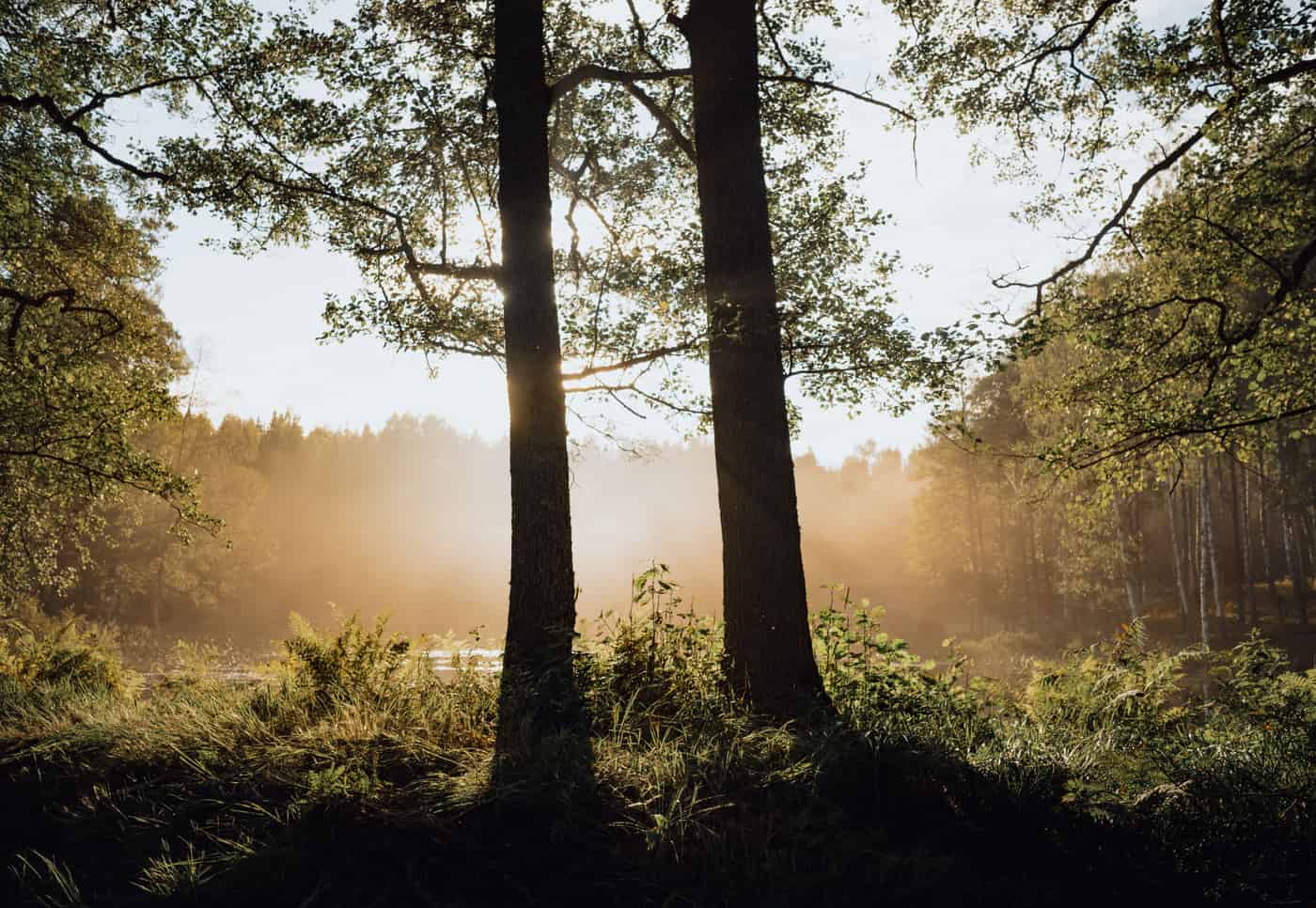
How often to call turkeys: the short version
There is no stopwatch answer to how often you should call a turkey. We haven't found a published source, the NWTF included, that sets a universal number of calls or minutes between them, so we won't invent one. What the NWTF does publish is a principle that holds all morning. In the words of an NWTF column on calling gaffes turkey hunters keep repeating, “a smart hunter should call just enough to keep the bird gobbling to give up its approach and make adjustments accordingly.” Everything below, part of our turkey calls hub, is that rule applied to each stage of a spring morning:
- Before sunrise: locate with an owl hoot, not turkey talk. The NWTF suggests starting about 30 minutes before sunrise.
- With a gobbler on the roost: go soft and sparing. A few quiet tree yelps or clucks tell him you're there.
- After fly-down: start soft and slow, with a fly-down cackle or a few soft yelps.
- When he answers: call back just enough to keep him gobbling, so you know where he is.
- When he's coming: stop calling and get ready.
- When he hangs up: change the message (a cluck, a purr, then cutting) rather than repeating the one that stalled him.
- Later in the morning: locate with a crow call, which the NWTF says works any time other than sunrise and sunset.
We haven't hunted with the calls on this page. The timing advice is the NWTF's, the sound descriptions are the NWTF's and the makers', and where we add a suggestion of our own, we say so.
Before sunrise: locate without turkey talk
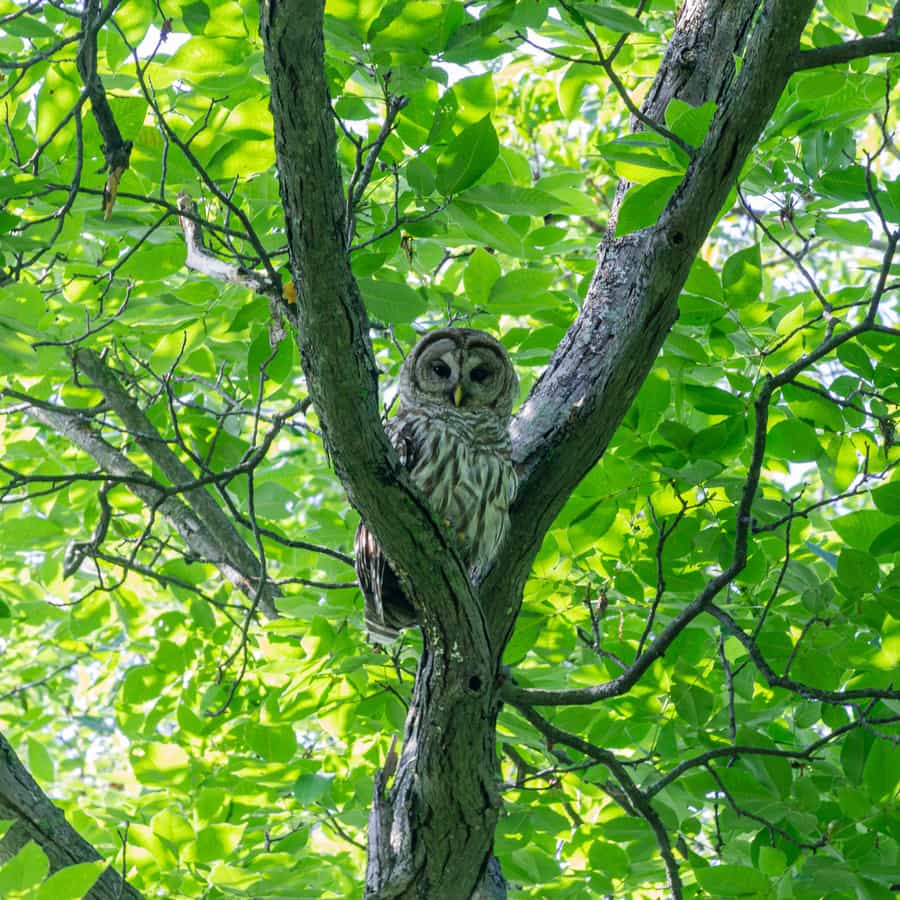
The first calls of the day usually shouldn't sound like a turkey at all. The NWTF's guide to the sounds of the wild turkey says an owl hoot “gets the bird to gobble without using turkey sounds,” and advises you to “begin owl hoots about 30 minutes before sunrise.” The barred owl's eight-note hoot, it says, is often described as having the cadence of “who cooks for you, who cooks for you-all.” WoodHaven, which sells an owl call, calls the owl hoot “one of the most trusted ways to strike a gobble at first light.”
Why this matters for how often you call: a locator lets you find a gobbling bird without spending your hen calls on him before you're set up. You learn where he is, you pick your tree, and your first turkey sound of the day comes from a good position instead of from the trail. Our locator call rankings compare owl, crow and multi-sound locators.
While he's on the roost: a little goes a long way
With a gobbler still in the tree, the NWTF's advice is all about quiet. It describes the tree call as “a series of soft muffled yelps given by a roosted bird” that can “let a gobbler on the roost know you are there.” Its beginner guide says the cluck “can also be used while birds are still on the roost to subtly let a gobbler know you are there.” A second NWTF guide calls tree yelps “excellent to use with a roosted gobbler at first light.”
Notice the words: soft, muffled, subtly. None of the NWTF guides we read describes loud or constant calling to a roosted bird. Our suggestion for a first season is to make those quiet roost calls once or twice, then let the woods be until birds hit the ground. You've told him a hen is nearby, and that's the whole message. If you're not sure what a tree yelp is supposed to sound like, our guide to turkey calls and what they mean covers every sound on this page.
After fly-down: start soft and slow
The NWTF's Turkey Hunting 101 gives the simplest cadence rule there is: “Start soft and slow with your calls. When you get an answer, you are in business.” The fly-down cackle is a natural opener here. The NWTF calls it a “good call to tell a gobbler that a hen is on the ground.”
Volume is part of how often. The same calling-gaffes column warns that “not being able to soften up your calling is a huge disadvantage in the turkey woods,” and describes birds that settled down and walked into a setup after “a few three-to four-note soft yelps.” Short, soft series with pauses between them are the beginner's friend: they match the NWTF's “soft and slow,” and they leave you room to hear an answer.
When he answers: call just enough
Here is where the NWTF's rule earns its keep. The point of calling back to a gobbling bird is information as much as persuasion: each gobble tells you where he is and which way he's moving. The same column notes that many hunters “are surprised by the bird's approach and are out of position when the bird appears.” If you're calling constantly, you can't hear him coming, and you can't be sure he still is.
So answer his gobbles, keep your series short, and use the gaps to get ready: gun up on your knee, facing where you expect him. The NWTF's beginner guide says to “find a substantial tree to lean against,” and your position matters more than any sound you make. Our turkey hunting setup guide walks through choosing the tree, the angle and where to put decoys before you make your first call.
When he's coming: go quiet
This is the moment first-season hunters most often overdo it. The NWTF column is blunt: “If there's a gobbler in front of you and he's walking to you, no calling at all is the best call.” And: “If he's moving toward you, why would you do something to make him stop?” The point is simple: a bird that is already coming is doing exactly what you want, and more calling only gives him a reason to stop. Put the call down, get the gun ready and let him close the distance.
When he hangs up: change the message
Sometimes a gobbler comes partway, then stops and gobbles at every call without taking another step. Rather than repeating the call that stalled him, the NWTF's sound guide suggests a different message, and its options run from soft to loud:
- A cluck: the NWTF recommends it “while trying to encourage gobbler to come into range if he starts to hang up.”
- A cluck and purr: “good for reassuring turkeys as they get close to your position.”
- Cutting: for use “when you have tried soft calling to a gobbler that is hung up.”
- Excited yelps: louder and faster, which the NWTF suggests when you want to pick a fight with the dominant hen in a flock and draw the gobbler along with her.
Between each change, give him time to respond. How long is a judgment call we can't put a number on, but the rule from the top still applies: call enough to keep him interested and talking, not so much that he never has to come looking.
Later in the morning, and in the evening
When the woods go quiet later in the morning, locators come back out. The NWTF calls the crow call “a good locator call to get a tom to shock gobble any time other than sunrise and sunset.” That makes an owl and a crow a natural pair: the owl before sunrise, the crow once the sun is up. If a bird answers, you're back at step one: set up first, then call softly.
Whether afternoon and evening hunting is legal and worth it where you hunt is its own question. Our turkey hunting morning vs evening comparison covers it.
What to look for in calls for a well-timed morning
- Two locators, not one. The NWTF's timing splits the day: owl hoots before sunrise, crow calls after. One of each covers the whole morning.
- A locator you can run without much practice. Our locator rubric weighs ease for a beginner as heavily as volume. Both locator picks below carry a maker ease claim: WoodHaven calls its owl “easy-to-run,” and Quaker Boy says its crow makes every crow sound “easily.”
- A hen call that can go soft. Soft calling carries most of a morning. A box call is the easiest place to start, per the NWTF.
- Something that works on a wet dawn. Dew and drizzle are part of spring. A box with a maker's wet claim keeps you calling when a chalked box would go quiet.
Our picks for this
An owl, a crow and a box call for the whole morning
One locator for before sunrise, one for after, and a hen call that doesn't quit in the wet.
- Illustrative photo
Best owl hooter for close-range locating
WoodHaven Ninja Owl Locator Call
Locator call6.6/10For the pre-dawn owl hoot. WoodHaven calls it easy to run and aims it at close-to-mid range. No published warranty, and WoodHaven accepts no returns.
Check price on Amazon#ad · Price set by Amazon · Disclosure for the link to WoodHaven Ninja Owl Locator Call
- Illustrative photo
Best easy crow call
Quaker Boy Crankin' Crow
Locator call7.4/10For after sunrise, when the NWTF says crows take over from owls. Quaker Boy calls it extra loud and says it makes every crow sound easily.
Check price on Amazon#ad · Price set by Amazon · Disclosure for the link to Quaker Boy Crankin' Crow
- Illustrative photo
Best two-voice waterproof box call
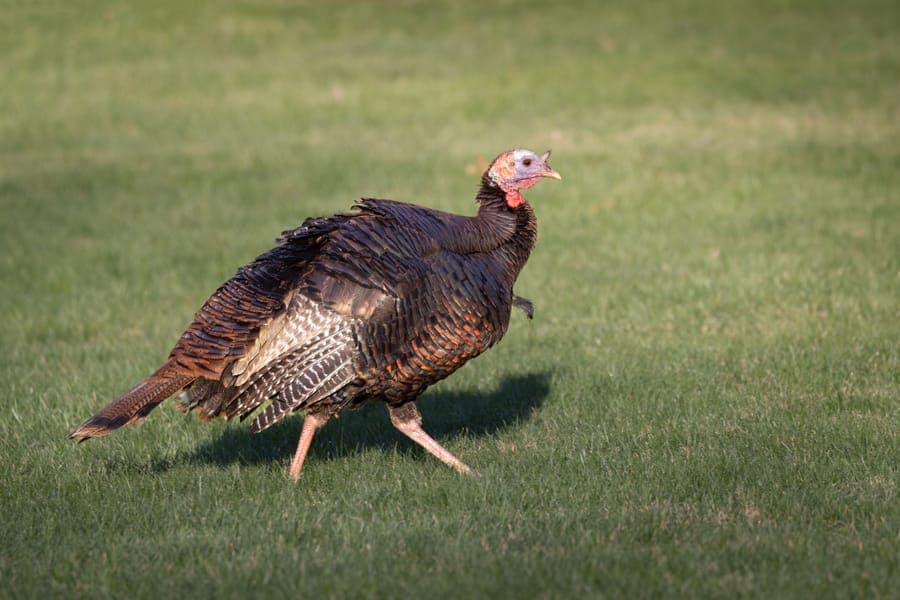
Primos Waterboard Turkey Box Call
Box call7.8/10Your hen voice. Primos says each side makes a different tone and that it works wet or dry. No lid band is listed, so plan for quiet carry.
Check price on Amazon#ad · Price set by Amazon · Disclosure for the link to Primos Waterboard Turkey Box Call
Two honest alternatives: Quaker Boy's Owl Hooter scores within a tenth of the Ninja Owl (6.5 vs 6.6) and has a two-tone pitch control, if you'd rather not buy from a maker that takes no returns. And if you already own a box call, you don't need the Waterboard; our box call rankings explain which boxes handle rain and which need chalk.
How we picked this
Gear we claim to have field-tested: none
Plenty of turkey sites say they ran every call on the list all spring. We don't say that, and we say so on every page. What we do instead: read each maker's published specs, materials and instructions; note the sounds a maker says a call makes and how it says the call handles rain; check a choke's load ratings and thread chart; compare published weights, pockets and seat heights; and score all of it on a published rubric built around a first-season hunter. Every spec links to where it came from.
Scores are computed from that documented research with fixed bands, not field trials. Commissions never set a score or decide a pick. The rubric and its bands are published.
Questions
Frequently asked
How often should you call turkeys?
Just enough to keep a gobbler interested and talking, per the NWTF. Start soft and slow, answer when he gobbles, and stop calling altogether once he is coming toward you.
How long should you wait between turkey calls?
No published source we trust gives a universal number of minutes. Use short, soft series with pauses long enough to hear an answer, and let the bird set the pace: if he's gobbling back and moving closer, you're calling enough.
When is the best time to call turkeys?
Build the morning around fly-down. The NWTF advises owl hoots about 30 minutes before sunrise to locate a gobbler, soft roost calls at first light, then soft, slow calling once birds are on the ground, with a crow call to locate later. Legal shooting hours vary by state and land type, so check yours.
When should you use an owl call for turkeys?
Before sunrise. The NWTF advises beginning owl hoots about 30 minutes before sunrise, since the hoot gets a gobbler to gobble without using turkey sounds. After sunrise, it recommends a crow call instead.
Should you call to a turkey on the roost?
Softly and sparingly. The NWTF says soft, muffled tree yelps or a subtle cluck can let a roosted gobbler know you're there. A few quiet calls are enough; keep the rest for after he flies down.
Can you call too much when turkey hunting?
Yes. An NWTF column on common calling gaffes says that if a gobbler is walking to you, no calling at all is the best call. Constant calling can also make you miss his approach and leave you out of position.
What should you do when a gobbler hangs up?
Change the message instead of repeating it. The NWTF suggests a cluck, then a cluck and purr to reassure him, and cutting only after soft calling has failed.
Keep reading
Related on Strut & Slate
- Best locator callsOwl, crow and multi-sound locators ranked.
- Turkey calls and what they meanEvery sound, what it says and which call makes it.
- Turkey hunting morning vs eveningWhen each half of the day works, and where it's legal.
- Turkey hunting setupPick the tree before you make a sound.
- How to call a turkey for beginnersThe practice path from first call to first season.
- Best box callsThe easiest hen call to learn, ranked.
Receipts
Sources
- WoodHaven Custom Calls — Ninja Owl locator call product page, SKU WH220 (read 2026-09-22)
- WoodHaven Custom Calls — Returns & Shipping page (read 2026-09-22)
- Quaker Boy — Crankin' Crow product page, SKU #02613 (read 2026-09-22)
- Quaker Boy — Owl Hooter product page, SKU #02601 (read 2026-09-22)
- Primos — Waterboard Turkey Box Call product page, SKU PS257 (read 2026-09-22)
- Primos — Warranty page (read 2026-09-22)
- NWTF — The Sounds of the Wild Turkey (read 2026-09-22)
- NWTF — What Does a Turkey Say? (read 2026-09-22)
- NWTF — Turkey Hunting 101 (read 2026-09-22)
- NWTF — Calling Gaffes Turkey Hunters Keep Repeating, Brian Lovett (read 2026-09-22)
- Wisconsin DNR — Turkey Hunting (read 2026-09-22)
- Missouri Department of Conservation — Turkey: Regulations (read 2026-09-22)
We don't claim to have field-tested, owned or hunted with the products on this page. Specs come from the maker's own product pages and manuals (or a named dealer's copy when the maker's site blocked us), sound and performance claims are attributed to the maker, and any third-party observation is attributed to whoever made it. Amazon prices change often, so we don't print them. Where a figure isn't published, we say so and it earns the lowest band. Read the full method.