What actually changes
Three things, and all three are consequences of the hens rather than the gobblers.
First, the hens disappear. The NWTF's rundown of the wild turkey breeding cycle describes hens laying 10 to 12 eggs over a two-week period and then incubating for 26 to 28 days in a shallow scraped nest. A hen on a nest is not standing in a field answering your yelps, and the gobbler who spent April with a harem spends late May alone.
Second, the woods fill in. Early-season setups that worked in grey timber in April stop working in May, because green undergrowth cuts your sight lines down to nothing and changes where a bird is willing to walk.
Third, every bird left has been hunted. On public ground especially, the surviving gobblers have heard box calls, seen decoys and been bumped off roosts. That changes what you can get away with more than anything the calendar does.
Why it goes quiet, and why that misleads you
The received wisdom is that gobbling peaks early and declines steadily to nothing. The research says something more useful than that. The NWTF's Gobbling Chronicles, reporting on studies that used autonomous recording units, found that “turkeys didn't necessarily subscribe to a bimodal pattern when we looked on a regional and state-wide scale,” and that “gobbling chronology follows a more complicated pattern with multiple peaks.”
So treat a silent sunrise as information about this morning, not about the week. Go look for birds rather than concluding there are none.
The late-season advantage: a lonely gobbler
Here is the trade the late season offers. You give up volume — fewer gobbles, fewer birds, worse visibility — and in exchange you get a gobbler with no hens around him.
Through the peak of breeding, a tom with a harem has no reason to walk to your calling; real hens are already with him, and the ones that are not will come to him. That is why so many April hunts end with a bird gobbling at 100 yards and never closing. Once hens are nesting, that calculation flips: the gobbler that hears a hen now has a reason to go and find her.
That is the single best argument for hunting the last week of the season hard rather than writing it off. The birds that are left are fewer, warier and more willing to commit.
Hunt the middle of the day
If you only change one thing, change your hours. The NWTF's own midday piece makes the case plainly: there is “not as much gobbling then, but if you find one that will talk to you, you have a much better chance of doing something with him,” and the writer's routine is to “stay put until about 9:30 a.m., at which time I start moving.”
The all-day game plan explains the rhythm behind that: birds fly down and mill around their land zones first thing, then shift toward feeding areas further from the roost, and on hot days they move to cooler ground around noon. The NWTF's second-shift strategies adds that afternoon birds “loaf or mill about in shady areas until grabbing a bite to eat during late afternoon or early evening.”
Two caveats. Many states close turkey hunting at noon or at a set afternoon hour, and several change that rule partway through the season — Missouri publishes its turkey regulations with the legal hours spelled out, and your state's will differ. Check before you plan an all-day sit. And where afternoon hunting is legal, the roost becomes relevant again: the NWTF notes that it is “sometimes easy to sit by a hot roost site and clobber a gobbler as he prepares to fly up.” Finding that roost is how to roost a turkey.
Call less, and call softer
Late-season birds have heard everything. The NWTF's piece on why soft talk outperforms loud yelp sequences is written for exactly this situation: “soft tree yelps, light clucks, subtle purrs and occasional leaf scratching create curiosity in a way aggressive calling rarely can.” It also concedes where loud calling belongs — locating birds, wind, or striking a responsive tom at distance — which is the honest version of the rule.
- Lead with clucks and purrs, not a cutting sequence. A contented hen feeding in the leaves is a more believable thing in late May than an excited one.
- Scratch the leaves. Three short rakes with your hand, in the rhythm of a bird scratching, is the most underused sound in turkey hunting and costs nothing.
- Go quiet when he is coming. The NWTF's rule on calling gaffes is blunt: if a gobbler is walking toward you, no calling at all is the best call.
- Change your voice. A pressured bird may have heard your call before. A different surface or a different striker genuinely changes the sound — see best slate call strikers.
One more thing worth borrowing from the NWTF's midday writer: “never make a turkey call unless you're standing beside a suitable set-up tree.” In late season, when you are moving and calling to find a bird, that habit is what turns a surprise answer at 80 yards into a hunt instead of a scramble.
Where the birds move to
Food, shade and water, in roughly that order, and all three are different from where you found them in April.
- Feeding areas further from roosts. That is the NWTF's own description of the mid-morning shift. Green fields, logging roads, bug-heavy edges and pasture.
- Shade on hot days. North-facing slopes, creek bottoms, mature timber with a canopy. A midday gobbler in late May is usually somewhere cool.
- Nesting cover edges. Not to hunt hens, but because a lonely gobbler patrols the places hens were. Field edges with thick cover behind them are worth sitting.
- The places other hunters have stopped going. Late season thins out the crowd on public land faster than it thins out the birds — see public land turkey hunting.
Setups and decoys for late season
Two adjustments matter. First, your setup has to account for leaves: pick a tree where you can see a bird coming from 40 yards, not 15, and keep your sight lines in the direction you expect him. The NWTF's tree rules — wider than your shoulders, five feet of clear space in your shooting direction — still hold, and our version is turkey hunting setup.
Second, decoys get simpler. A lone hen in a relaxed or feeding posture is the late-season decoy: it matches what a gobbler is looking for and carries none of the risk a jake or strutter does with a bird that has been pushed around all spring. Some hunters drop decoys entirely for the last week on pressured ground, which is a legitimate choice — the case either way is in do turkey decoys work, and seasonal placement is in turkey decoy setups by season.
Three things that help in the last week
Nothing on this list is a late-season gimmick. These are the three pieces that match the tactics above, scored on the rubrics published with our First-Season Score — the decoy on the decoy rubric, the call on the call rubric, the seat on the seat rubric, so their numbers are not interchangeable.
Our picks for this
A feeding hen, a soft-talking call and something to sit on all day
Late season is quieter calling, longer sits and a decoy that looks content rather than excited.
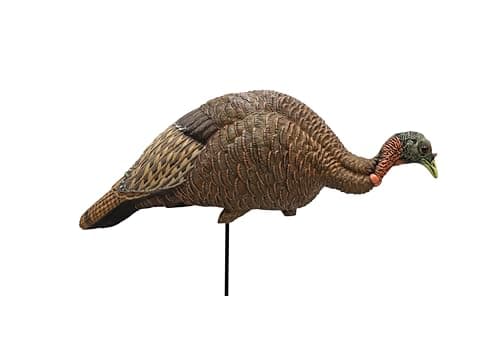
Best one-hen decoy for three postures
MOJO Feeder/Breeder Hen Decoy
Hen decoy7.2/10One hen that covers three postures, so you can set the relaxed, feeding look that suits a late-season gobbler rather than an alert one.
$83.60Amazon#ad · Price as of November 3, 2026 · Disclosure for the link to MOJO Feeder/Breeder Hen Decoy
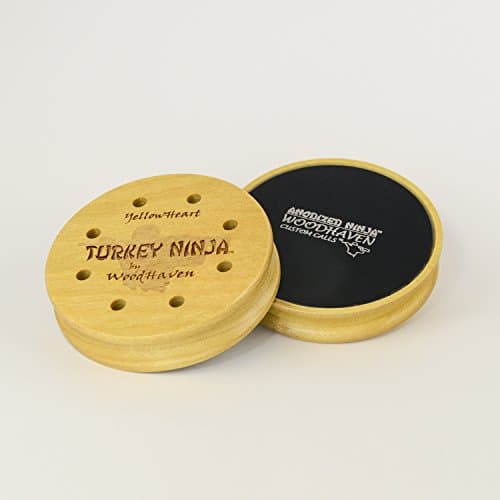
Best premium aluminum pot call
WoodHaven Anodized Ninja Pot Call
Pot call7.3/10Our top-ranked pot call, and it ships with two strikers for two distinct hen tones - which is what you want when a bird may have heard your first voice already. Soft clucks and purrs are what this call does well.
$124.99Amazon#ad · Price as of November 3, 2026 · Disclosure for the link to WoodHaven Anodized Ninja Pot Call
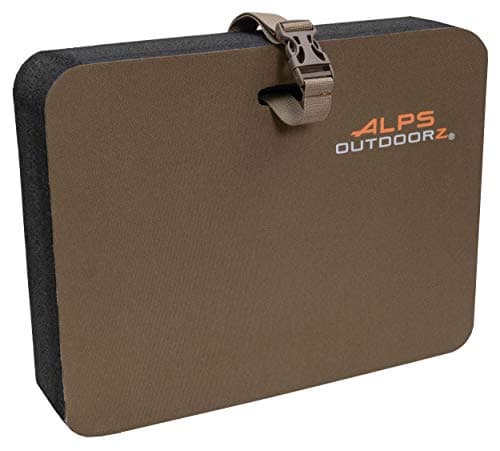
Best ultralight seat cushion
ALPS OutdoorZ Terrain Seat 3"
Turkey seat6.0/10A 12 x 15.5 in, 3 in thick seat cushion at 1 lb 2 oz with a blaze orange bottom and a buckled carry strap: the lightest way to sit off the ground against a tree, with no back support and no published weight rating.
$23.93Amazon#ad · Price as of November 3, 2026 · Disclosure for the link to ALPS OutdoorZ Terrain Seat 3"
Hunting pressured public land late
Four habits that work when the birds have been hunted for a month.
- Go further or go where access is awkward. Not necessarily deeper — awkward. Ground behind a creek crossing or a long walk from the nearest pull-off gets a fraction of the pressure.
- Hunt the middle of the day, when most hunters have gone home and birds are moving to food and shade.
- Call less than feels right, and stop entirely once a bird commits.
- Sit longer than feels right. A bird that gobbles once at 10:40 a.m. and goes quiet is often still coming. Give him 45 minutes.
And keep the end of the season in perspective: the research says a meaningful share of the spring's gobbling happens after the season closes. You are hunting a curve that is still rising in places, not a dead woods. The habits that cost beginners birds all season are collected in turkey hunting mistakes.
How we picked this
Scored on the specs that decide your season
Every pick is read off the maker's own specs, materials and instructions, then scored on a public rubric built around a first-season hunter: the sounds a call is made to produce and how it holds up in rain, a choke's load ratings and thread chart, the weights, pockets and seat heights you carry all morning. Each figure links straight to the page it came from, so you can check any pick in one click.
Scores come from that documented research with fixed bands, and prices come live from Amazon with the date they were checked. Commissions never set a score or decide a pick. The rubric and its bands are published.
Corrections & updates
- First published. Breeding-cycle timing, gobbling-chronology percentages, midday tactics and soft-calling guidance all from the NWTF; legal-hours caution from the Missouri Department of Conservation.
Questions
Frequently asked
Is late season turkey hunting any good?
It can be the best week of the spring. Fewer birds and less gobbling, but the gobblers that are left have no hens around them once incubation starts, so they are far more willing to come to a call. NWTF-reported research also found gobbling follows multiple peaks rather than a steady decline, with 15% of spring gobbling occurring after the season closed on studied non-hunted properties.
Why do turkeys stop gobbling late in the season?
Mostly because the breeding frenzy has passed and hens are nesting, and partly because hunting pressure teaches birds to gobble less. But gobbling does not simply fade to nothing: the recorded data shows multiple peaks, so a silent morning is about that morning rather than the rest of the season.
What is the best time of day for late season turkeys?
Mid-morning through midday, where it is legal. One NWTF writer stays put until about 9:30 a.m. and then starts moving, and the all-day plan describes birds shifting to feeding areas and then to cooler ground as the day warms. Check your state's legal hours first — many close at noon or change the rule mid-season.
How should you call late in the turkey season?
Softer and less often. Soft tree yelps, light clucks, subtle purrs and leaf scratching create curiosity that aggressive calling does not, and no calling at all is the right move once a gobbler is walking toward you. Save loud calling for locating birds, wind, or striking a bird at distance.
Should you use decoys late in the season?
A single hen in a relaxed or feeding posture, if any. Jakes and strutters carry more risk with birds that have been pressured all spring, and some hunters drop decoys entirely for the last week on public ground.
Where do turkeys go late in the spring?
Toward food, shade and the places hens have been. Expect feeding areas further from the roost, north slopes and creek bottoms on hot days, and field edges backed by thick nesting cover where a lonely gobbler patrols.
Keep reading
Related on Strut & Slate
- Morning vs evening turkey huntingThe hour-by-hour version of the midday argument.
- How often to call turkeysCadence, which matters more late than any call you own.
- Public land turkey huntingWhere pressured birds go, and how to find the quiet ground.
- Turkey decoy setups by seasonWhich spread suits early, mid and late spring.
Receipts
Sources
- NWTF — Wild Turkey Breeding Cycle (read 2026-09-22)
- NWTF — The Gobbling Chronicles (read 2026-09-22)
- NWTF — Showdown at High Noon: Midday Gobblers (read 2026-09-22)
- NWTF — Soft Talk Kills: Why Subtle Calling Consistently Outperforms Loud Yelp Sequences (read 2026-09-22)
- NWTF — Calling Gaffes Turkey Hunters Keep Repeating (read 2026-09-22)
- NWTF — The All-Day Turkey Hunting Game Plan (read 2026-09-22)
- NWTF — Second-Shift Turkey Hunting Strategies (read 2026-09-22)
- NWTF — How to Pick a Turkey Hunting Tree (read 2026-09-22)
- Missouri Department of Conservation — Turkey: Regulations (read 2026-09-22)
- MOJO Outdoors — MOJO Feeder/Breeder Hen Decoy product page (read 2026-09-22)
- WoodHaven Custom Calls — Anodized Ninja product page, SKU WH086 (read 2026-09-22)
- ALPS OutdoorZ — Terrain Seat 3" product page (read 2026-09-22)
Every spec on this page comes from the maker's own product pages and manuals (or a named dealer's copy where the maker's site blocked us), with sound and performance claims attributed to the maker and any third-party observation attributed to whoever made it. Prices come live from Amazon with the date they were checked. Where a maker leaves a figure unpublished, the page says so and that spec earns the lowest band. Read the full method.