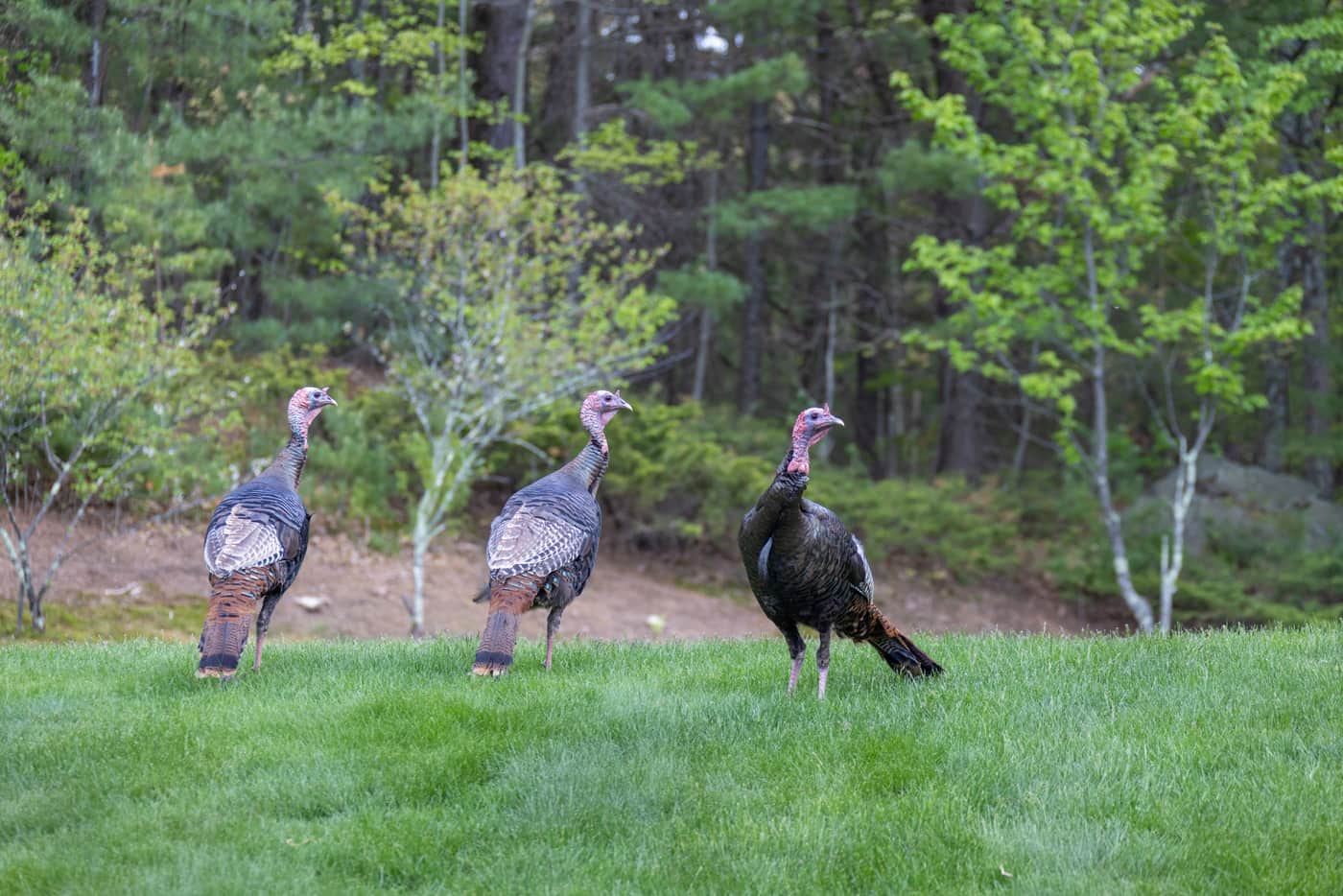
This guide is part of our decoys and blinds section. It picks up where how to set up turkey decoys leaves off: that page covers the basics of distance, facing and where you sit, and this one covers how the spread should change as the spring goes on. We haven't run these spreads ourselves. The setups come from spring decoy articles published by the National Wild Turkey Federation (NWTF), each linked, and the product details come from the makers' pages.
One thing to know first: “early,” “peak” and “late” here describe what the birds are doing, not dates on a calendar. Seasons open and close on different dates in every state, and the birds in one part of a state can be ahead of the birds in another. Watch the turkeys, not the calendar.
Turkey decoy setups at a glance
| Stage | What the birds are doing | Spread | Distance and facing |
|---|---|---|---|
| Early season | Still in flocks | Two or three hens plus a jake or strutter (Lovett); a strutter or jake with three or four hens (Fair) | Fair: gobbler decoy about 20 yards out, facing where other toms should come from |
| Peak breeding (mid-season) | Flocks breaking up; toms looking for hens | One or two hens, at least one feeding (Lovett); a lone hen in the open or a small flock of hens (Fair) | Fair: about 25 yards out, facing you |
| Mid-to-late season | Toms already with hens | A laydown hen with a jake right behind her (Fair) | Fair: about 15 yards out, facing away from you |
| Late season | Many hens nesting; bachelor groups of toms forming | Often one hen (Lovett, Haugen); a jake or strutter with her is an option (Lovett); no decoy in thick foliage (Haugen) | Not specified |
Sources for each row: Brian Lovett's “Spring Decoy Strategies,” Ryan Fair's “Decoy Tactics For Spring Toms” and Scott Haugen's “Targeting Late Season Toms,” all on the NWTF site. Whatever distance a setup uses, keep the decoy inside the range your own gun patterns well.
Early-season decoy setup
Early in the spring, turkeys are still in flocks, and gobblers in those flocks compete with each other for hens. That is when a gobbler decoy has the most to offer. Lovett's advice for the NWTF is to “go with a larger spread, including two or three hens and a strutter or jake decoy,” with the hens looking “natural and relaxed”: “one or two feeding hens with an upright hen.” Fair sets a full-strut tom about 20 yards from where he sits, faces it toward where he expects other toms to come from, and puts three or four hens with it. If you don't own a strutter, Fair says a jake works in its place.
For a first-season hunter, the jake is the better choice of the two. Avian-X pitches its LCD Half-Strut Jake as “great for early season,” with a “sub-dominant posture” that “tests dominant gobblers.” Haugen, writing about how decoys affect the shot, reaches for a strutting tom decoy where there are many toms for every hen, and a strutting jake where there are few, because “the jake strutter is less threatening and encourages leery toms to come close.” A jake is also less of a safety risk than a full strutter. Our rubric scores a hen 9 of 10 on public-land safety, a jake 6 and a strutter 3 (4 if the maker publishes safety instructions).
You don't need four decoys to start. If you own one hen and one jake, that pair covers the early-season idea: a rival with a hen. Ready-made pairs are ranked in our jake and hen decoy combo picks.
Peak-breeding decoy setup
As the flocks break up, the spread gets smaller. Lovett: “After turkey flocks seem to be broken up, pare your spread down a bit. Many hunters go with one or two hens — at least one should be feeding.” Fair runs two tactics for this stretch: a lone hen “out in the open where she can be seen from a distance,” or a small flock of hens in several positions, both about 25 yards out and facing him.
Once toms are already with hens, Fair changes again: a hen in a laydown posture with a jake “right behind” her, about 15 yards in front of him, both facing away so an arriving tom focuses on them. That setup is the reason a hen with more than one posture earns its place in a first-season bag. A decoy like the MOJO Feeder/Breeder Hen mounts upright, feeding or in a breeding position on the ground, so the same hen can be your upright hen early, your feeding hen at peak breeding and your laydown hen later.
If you only ever carry one decoy, this is the stage where a single hen does the most work. For why the hen comes before the jake, see jake vs hen decoy.
Late-season decoy setup
By the end of the spring, Lovett writes, “turkeys have spread throughout their habitat, and many hens are nesting,” and “savvy hunters often use just one hen decoy.” He adds: “Don't be afraid to try a jake or strutter with the hen.” Haugen's late-season choice is “a single hen decoy – either in an upright, preening or breeding position,” and he notes that bachelor groups of toms often start to form late in the spring.
Late season is also when a decoy can be the wrong tool. Haugen writes: “If spring foliage is flourishing, a decoy isn't necessary when targeting cautious toms,” and says he has had consistent success in a ground blind near a trail with no decoy at all. On those mornings your calling, your position and your patience carry the setup.
A turkey decoy setup for bowhunting
Bowhunters need the bird much closer, so the decoy moves in. Haugen sets “one upright hen decoy facing my popup blind, no more than 10 yards away.” His setup pairs the decoy with a pop-up blind, which hides the movement of drawing a bow at close range. McDougal places his morning decoys north, south or west of his position “so the sun won't shine into my blind.” Our best turkey hunting blinds include a pick for archers who need to draw standing up.
Calling with a decoy
A decoy doesn't replace calling; it finishes what calling starts. The gobbler hears a hen, comes looking, and finds one. The common mistake is calling too much once he can see her. Haugen writes that he has gone in with decoys and “called too aggressively, spooking toms and never getting a shot.” How often to call, and when to stop, is covered in how often to call turkeys.
Gobbler decoys and safety
Every early-season spread above can include a gobbler decoy, and that is the one to be most careful with. A strutter, especially one wearing a real tail fan, looks like the bird every other hunter in the woods is hoping to see.
If you hunt public land, run the hen-only version of each setup: more hens early, one or two at peak breeding, one late. Strutter decoys, and the safety box that goes with them, are covered in our best strutter decoys.
What to look for in decoys that cover the whole season
- A hen with more than one posture. The spreads above use upright, feeding and laydown hens at different times. One multi-position hen covers all three.
- A jake sized and posed to look beatable, for early season. Sub-dominant or half-strut postures are what the makers design for this.
- A strutter only if you hunt private ground, and only one the maker ships with plain safety guidance.
- A stake in the box and a bag that hides each decoy. You'll be moving decoys between setups more than you expect.
Decoys that cover the season
Our picks for this
A hen for every stage, a jake for early season, a strutter for private land
One multi-position hen, one collapsible jake Avian-X pitches for early season, and one packable strutter whose maker says it belongs on private land only.
- Illustrative photo
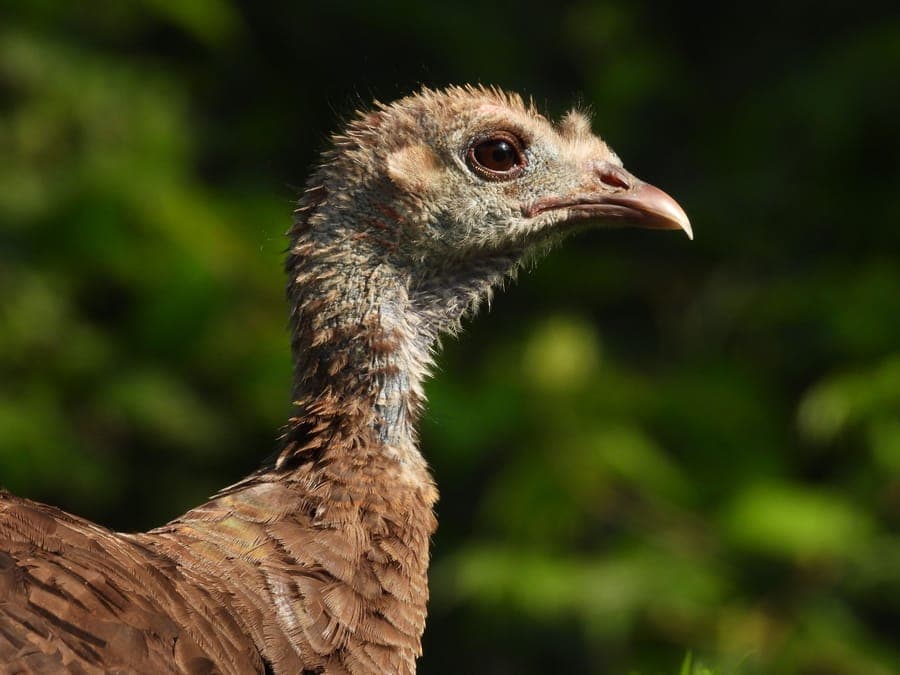
Best one-hen decoy for three postures
MOJO Feeder/Breeder Hen Decoy
Hen decoy7.2/10Mounts upright, feeding or breeding on the ground, per MOJO, so one hen changes with the season. Blow-molded; stake and shoulder-strap bag included. It doesn't collapse.
Check price on Amazon#ad · Price set by Amazon · Disclosure for the link to MOJO Feeder/Breeder Hen Decoy
- Illustrative photo
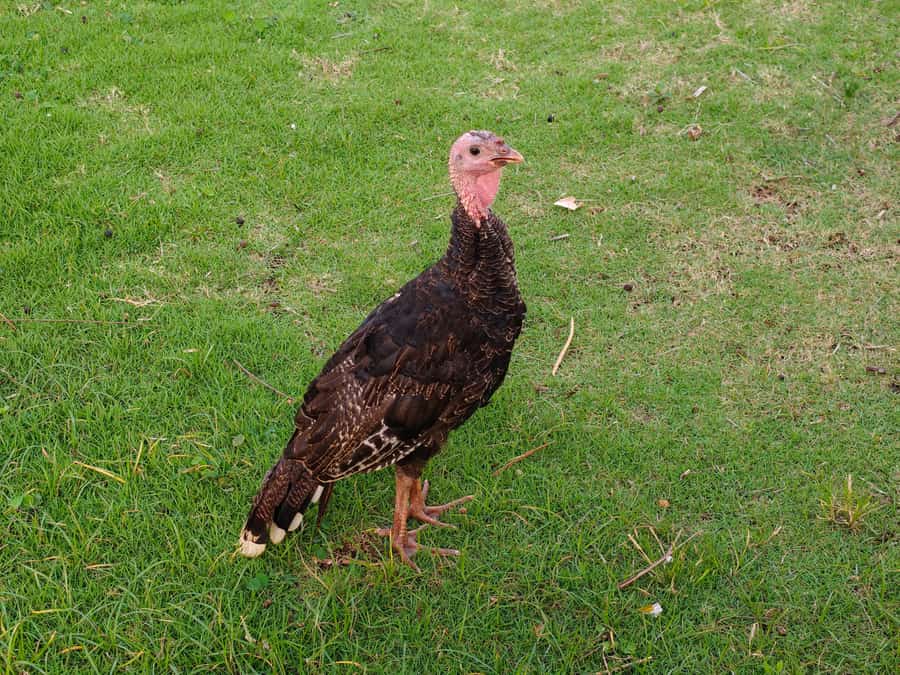
Best collapsible jake decoy
Avian-X LCD Half-Strut Jake
Jake decoy7.3/10Avian-X calls it "great for early season": a sub-dominant half-strut jake, collapsible, with the beard pre-attached and a stake, bag and strap included.
Check price on Amazon#ad · Price set by Amazon · Disclosure for the link to Avian-X LCD Half-Strut Jake
- Illustrative photo
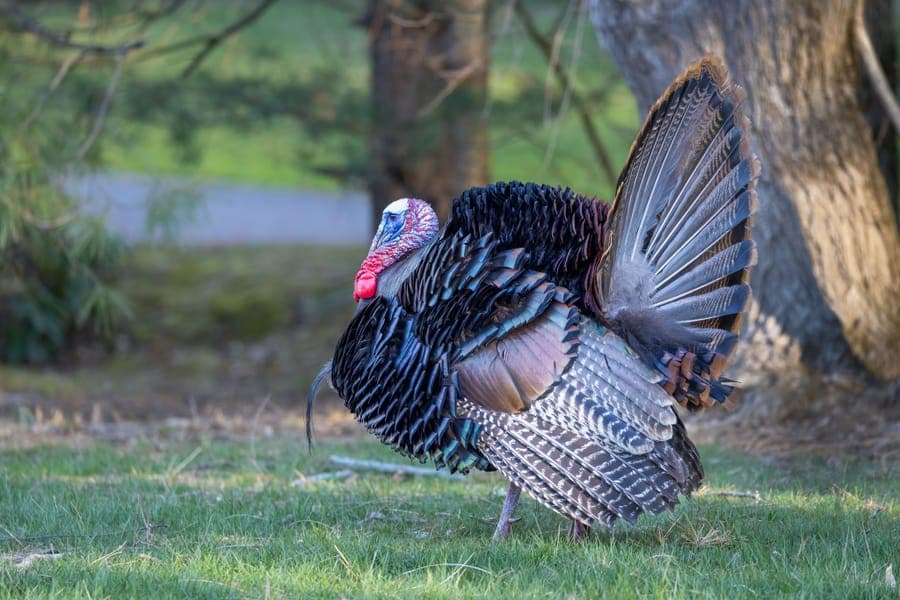
Best packable strutter for private land
Montana Decoy Wiley Tom 3D
Strutter decoy6.7/10Private land only. A hybrid strutter that takes your real tail and wing feathers and folds for carry; Montana itself says gobbler decoys belong on private land.
Check price on Amazon#ad · Price set by Amazon · Disclosure for the link to Montana Decoy Wiley Tom 3D
One caution on the Wiley Tom: Montana designs it to fold into a vest “even with feathers.” The NWTF's advice is a bag, not your vest, so carry it bagged even on private ground. If you'd rather not own a gobbler decoy at all, the MOJO hen and the Avian-X jake cover every setup on this page. The rest of the field is in our best turkey decoys roundup.
How we picked this
Gear we claim to have field-tested: none
Plenty of turkey sites say they ran every call on the list all spring. We don't say that, and we say so on every page. What we do instead: read each maker's published specs, materials and instructions; note the sounds a maker says a call makes and how it says the call handles rain; check a choke's load ratings and thread chart; compare published weights, pockets and seat heights; and score all of it on a published rubric built around a first-season hunter. Every spec links to where it came from.
Scores are computed from that documented research with fixed bands, not field trials. Commissions never set a score or decide a pick. The rubric and its bands are published.
Questions
Frequently asked
What is the best turkey decoy setup for early season?
A larger spread while birds are flocked: two or three hens plus a jake or strutter, per Brian Lovett for the NWTF. Ryan Fair sets his gobbler decoy about 20 yards out with three or four hens. On public land, leave the strutter home.
What decoy setup works in the late season?
Usually a single hen. Lovett writes that “savvy hunters often use just one hen decoy” late, and Scott Haugen uses one hen in an upright, preening or breeding position. When foliage is thick, Haugen says a decoy isn't necessary.
How many turkey decoys should I use?
More early, fewer later. The NWTF writers cited here use three to five decoys early in the season, one or two at peak breeding and often one late. A beginner can cover most of the spring with one hen.
What is the best turkey decoy setup for bowhunting?
One upright hen close to a ground blind. Haugen sets his facing the blind, no more than 10 yards away.
Should a beginner use a strutter decoy?
Only on private land where you know every other hunter's location. Montana Decoy and MOJO both say their gobbler and reaping decoys don't belong on public land, and our rubric scores a strutter 3 or 4 of 10 for public-land safety, against 9 for a hen.
Do decoys stop working late in the season?
Not necessarily, but they can matter less. Haugen notes a decoy isn't necessary when foliage is flourishing, and he reports consistent success from a ground blind near a trail with no decoy.
Keep reading
Related on Strut & Slate
- How to set up turkey decoysDistance, facing and where you sit.
- Best strutter decoysGobbler decoys for private land, with the safety box.
- Best jake and hen decoy combosPairs for the early-season spread.
- How often to call turkeysWhen to call, and when to stop, over a decoy.
- Best turkey hunting blindsFor the close-in bowhunting setup.
Receipts
Sources
- National Wild Turkey Federation — Spring Decoy Strategies (Brian Lovett, 2021-08-13) (read 2026-09-22)
- National Wild Turkey Federation — Decoy Tactics For Spring Toms (Ryan Fair, 2024-01-23) (read 2026-09-22)
- National Wild Turkey Federation — How Turkey Decoys Can Affect the Shot (Scott Haugen, 2024-06-12) (read 2026-09-22)
- National Wild Turkey Federation — Targeting Late Season Toms (Scott Haugen, 2026-05-11) (read 2026-09-22)
- National Wild Turkey Federation — Decoying in Detail (Darron McDougal, 2024-04-16) (read 2026-09-22)
- MOJO Outdoors — MOJO Feeder/Breeder Hen Decoy product page (read 2026-09-22)
- Avian-X — LCD Half-Strut Jake product page (read 2026-09-22)
- Montana Decoy — Wiley Tom 3D product page (read 2026-09-22)
- MOJO Outdoors — MOJO Scoot-N-Shoot MAX product page (read 2026-09-22)
- National Wild Turkey Federation — 10 Commandments Of Public Land Turkey Hunting (Josh Honeycutt, 2024-01-22) (read 2026-09-22)
- Vermont Fish & Wildlife Department — Turkey Hunting Safety Tips from VTF&W (2026-04-29) (read 2026-09-22)
We don't claim to have field-tested, owned or hunted with the products on this page. Specs come from the maker's own product pages and manuals (or a named dealer's copy when the maker's site blocked us), sound and performance claims are attributed to the maker, and any third-party observation is attributed to whoever made it. Amazon prices change often, so we don't print them. Where a figure isn't published, we say so and it earns the lowest band. Read the full method.