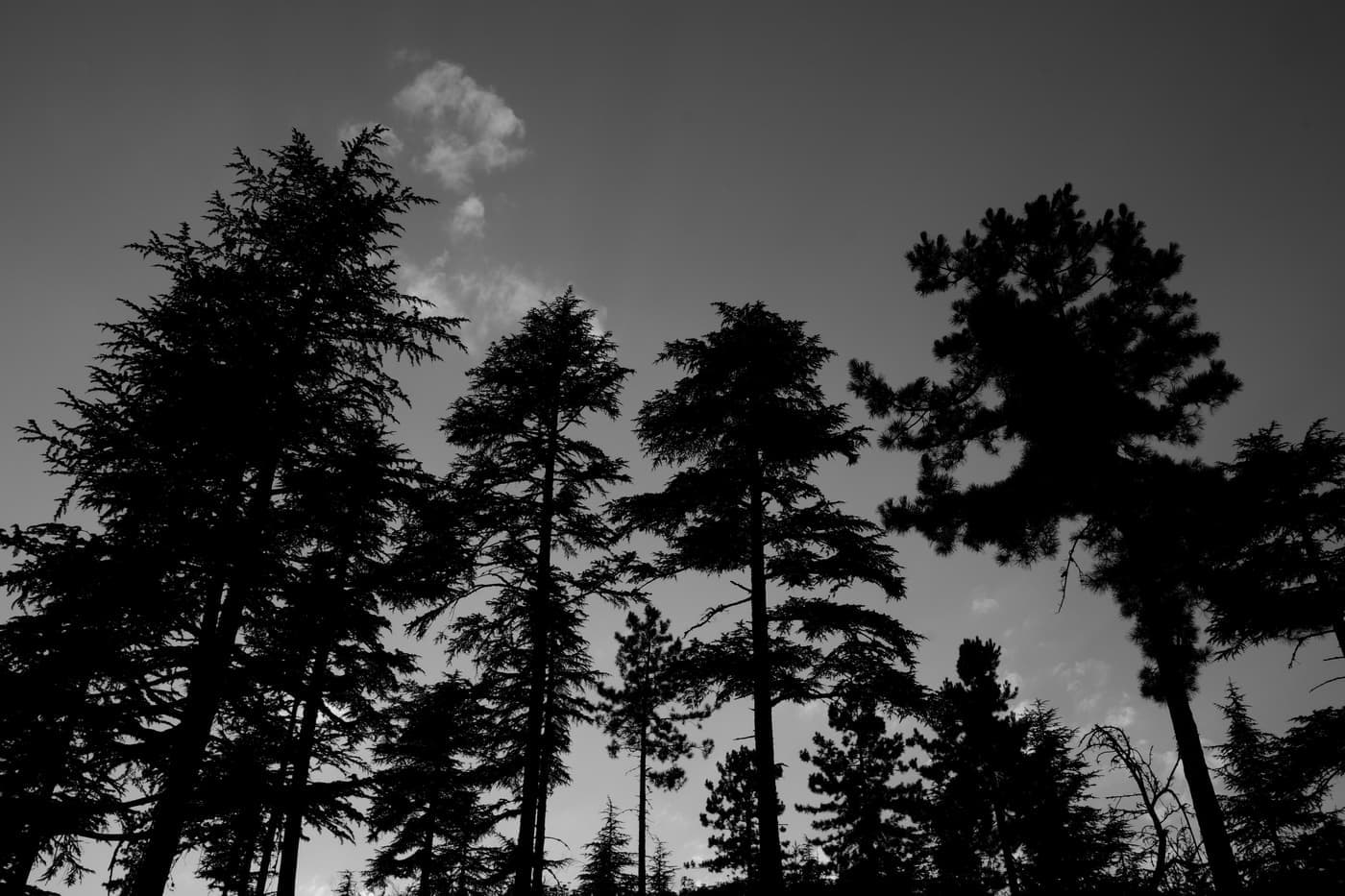
The steps at a glance
- Pick a listening post on a ridge, field edge or logging road where you can hear a long way, 150 to 300 yards from timber you think birds use.
- Be there 45 minutes before dark and stay until it is genuinely dark.
- Listen for wingbeats, branches breaking, tree yelps and gobbles. Hearing a bird fly up is better evidence than hearing one gobble.
- If you hear nothing, hoot once like a barred owl, wait, and hoot once more. Then stop.
- Fix the location by landmarks and a pin on your map from where you are standing. Do not walk in to confirm.
- Leave the way you came, quietly, and come back in the dark to a setup at least 100 yards from the tree.
That is the whole routine, and it is the single highest-return hour a first-season hunter can spend. Knowing where one bird slept turns opening morning from a search into a plan. If you have not yet worked out how to find birds at all, start with how to find turkeys.
What roosting actually means
Turkeys feed and travel on the ground by day and sleep in trees at night. Pennsylvania's Game Commission puts it plainly in its wild turkey species account: turkeys are active during the day and roost in trees at night. “Roosting a turkey” is hunter shorthand for finding out which trees a specific bird used tonight, so you can be close to them tomorrow at daylight.
Why it works: a gobbler's first 30 minutes on the ground are the most predictable of his day. The NWTF's all-day game plan describes the morning as the window when “birds are flying down from the roost and milling around their land zones,” before they shift toward feeding areas further from the roost. You are not trying to shoot a bird in the tree — that is unethical and illegal in many places. You are trying to be set up in the right place when he comes down.
Roost sites tend to repeat. Mature timber with open understory, big limbs, drainages, benches on a hillside, creek bottoms and the edges of fields all show up again and again, and birds often use the same general area for weeks when they are not pressured.
Where to stand and listen
Sound is the tool, so the whole game is picking a place where sound reaches you. Three things matter.
- Elevation. A ridge, a knob, the high end of a field. Sound travels downhill and across open ground far better than through timber.
- Distance. Far enough not to be seen or heard — 150 to 300 yards from the timber you are listening to is plenty. A bird that sees you standing in the open at dusk will roost somewhere else.
- Wind at your back is wrong. You want your noise carried away from the birds, so put the wind in your face if you can, and accept that it also shortens how far you can hear.
On big public ground, do this from roads and trails rather than hiking into timber at dusk. The NWTF's public land commandments are built around the reality that other hunters are scouting the same birds; a truck-window listening tour at dusk covers more country than a two-mile walk and bumps nothing. More on that ground in public land turkey hunting.
The timing: last 45 minutes of light
Turkeys fly up near the end of legal light, and the NWTF's second-shift strategies describes birds feeding “until the last few minutes before fly-up.” So the sequence at dusk is: feeding and quiet, then a short burst of noise as they go up, then tree talk, then silence.
Be in place 45 minutes before dark and do not leave early. The most common roosting failure is leaving ten minutes before the birds fly up, because the noise you came for happens at the very end. Bring a light for the walk out and know your state's legal hours — the NWTF's reminder to “abide by legal shooting hours in the state you are hunting” matters doubly if you are scouting during an open season.
What you are listening for
- Wingbeats and breaking branches. A turkey flying into a tree is loud and clumsy. This is the best evidence there is, because it tells you the exact tree rather than a direction.
- A gobble from an elevated, fixed position. Gobbles at dusk often come from the limb. If two gobbles come from the same spot several minutes apart, he is up.
- Tree yelps and soft talk. The NWTF describes the tree call as “a series of soft muffled yelps given by a roosted bird,” and the tree yelp as a reassuring call to other turkeys roosted nearby. Hearing it means birds are settled, and it is quiet, so you have to be listening hard.
- Hens, not just gobblers. Finding the hens is finding the gobbler in spring. A group of hens roosted in a hollow is a reason to be there at daylight even if nothing gobbled.
Our full sound-by-sound reference is turkey calls and what they mean.
When to hoot, and when to shut up
An owl call makes a gobbler answer reflexively. The NWTF's guide to locator calls is direct about what they are — “nothing more than a loud sound that forces a tom to shock gobble” — and about timing: “I like to use an owl locator call first thing in the morning or as the sun is setting,” with crow calls reserved for the middle of the afternoon.
Which locator to carry, and the case for a crow call as well as an owl, is in best locator calls.
Marking the spot without walking to it
This is the step that separates roosting from disturbing. Once you know where the bird is, you are done for the night.
- Take a bearing and a landmark. “Second big oak left of the dead pine, bottom of the drainage” is worth more than a vague direction.
- Drop a pin from where you stand. A map app or a paper map and compass both work; mark your listening post too, so you can repeat it.
- Pick tomorrow's setup on the map, not on the ground. Look for a spot 100 to 150 yards away on the same elevation or slightly above the roost, with open ground between you and the tree, and a way to get there in the dark without crossing under the birds.
- Back out the way you came. Quietly, no lights pointed at the roost, no slamming truck doors within earshot.
Binoculars help more at this stage than people expect: glassing a field edge or a far hillside at last light often shows you birds walking toward the roost, which is the cheapest roosting evidence available and does not require a single sound.
Using it the next morning
Three rules, and the first one is the one beginners break.
- Do not get too close. A hundred yards feels far in the dark and is not. Close enough to be heard clearly, far enough that he cannot see or hear you setting up, is the target. Birds you bump off the roost do not come back that morning.
- Be settled 30 minutes before you expect the first gobble. Pick the tree with the care the NWTF's guide to picking a turkey hunting tree describes: as wide as or wider than your shoulders, with a five-foot radius of clear space in the directions you intend to shoot. Our version is turkey hunting setup.
- Say almost nothing until he is on the ground. Soft tree yelps are the most you want from the roost, if anything at all, and the timing afterward matters more than the volume — see how often to call turkeys.
If the morning falls apart, what you learned still stands. The NWTF notes that birds “shift toward feeding areas that are further from their roost sites” as the morning goes on, so a known roost gives you a starting point for a midday move too.
Four ways to waste the effort
What you need to do this
Very little, and nothing expensive. The three items below are scored on the rubrics published with our First-Season Score — the two owl calls on the locator rubric, the binocular on the binocular rubric, so their numbers are not interchangeable.
Our picks for this
Two owl hooters and a binocular
An owl call for when listening alone does not produce a gobble, and glass for the half hour when you can see birds walking to the roost but cannot identify them.
- Quaker BoyNo image
Best simple owl hooter with pitch control
Quaker Boy Owl Hooter
Locator call6.5/10A simple hooter with what Quaker Boy calls a two-tone pitch for greater response - the straightforward tool for the one-hoot rule at dusk and again at first light.
Check price on Amazon#ad · Price as of November 2, 2026 · Disclosure for the link to Quaker Boy Owl Hooter
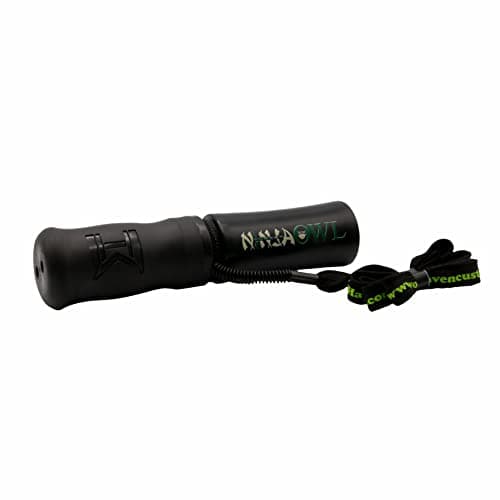
Best owl hooter for close-range locating
WoodHaven Ninja Owl Locator Call
Locator call6.6/10WoodHaven's barred owl call, built for the close-range version of this job where volume is less useful than a believable tone.
$32.99Amazon#ad · Price as of November 2, 2026 · Disclosure for the link to WoodHaven Ninja Owl Locator Call
- LeupoldNo image
Best binocular guarantee
Leupold BX-1 McKenzie HD 8x42mm Binocular
Binoculars8.4/108x42 glass for low light, which is exactly the half hour you are working in. Glassing a field edge at last light is the quietest roosting method there is.
Check price on Amazon#ad · Price as of November 2, 2026 · Disclosure for the link to Leupold BX-1 McKenzie HD 8x42mm Binocular
Everything else you need is already in your pocket: a map app, a headlamp with a red setting for the walk out, and the discipline to leave when you have what you came for. A full first-season list is in the turkey hunting gear list.
How we picked this
Scored on the specs that decide your season
Every pick is read off the maker's own specs, materials and instructions, then scored on a public rubric built around a first-season hunter: the sounds a call is made to produce and how it holds up in rain, a choke's load ratings and thread chart, the weights, pockets and seat heights you carry all morning. Each figure links straight to the page it came from, so you can check any pick in one click.
Scores come from that documented research with fixed bands, and prices come live from Amazon with the date they were checked. Commissions never set a score or decide a pick. The rubric and its bands are published.
Corrections & updates
- First published. Locator-call timing, fly-up behavior, tree selection and public-land cautions from the NWTF; roosting behavior from the Pennsylvania Game Commission.
Questions
Frequently asked
How do you roost a turkey in the evening?
Get on high ground 150 to 300 yards from likely roost timber in the last 45 minutes of daylight and listen for wingbeats, breaking branches, gobbles from a fixed elevated spot, and soft tree yelps. If you hear nothing, hoot once like a barred owl, wait two minutes, hoot once more and stop. Mark the spot from where you stand and leave quietly.
What is the best time to roost a turkey?
The last 45 minutes of legal light, staying until it is fully dark. Birds feed until the last few minutes before fly-up, so the noise you are listening for happens right at the end. The same trick works at first light, when one owl hoot often gets a gobble from the limb.
How close should you set up to a roosted turkey?
At least 100 yards, and often 100 to 150 is the sweet spot: close enough for him to hear you clearly, far enough that he cannot see or hear you settling in. Setting up closer feels smart in the dark and mostly bumps birds off the roost.
Do turkeys roost in the same tree every night?
Not necessarily the same tree, but often the same general area, especially when they are not being pressured. Treat a roost as a neighbourhood rather than an address, and re-roost rather than relying on a pin from last week.
Should you use a turkey call to roost a bird?
No. Use an owl call if you need a shock gobble. The NWTF's rule is to use a hen call only when a tom is close and you are in position to shoot, and yelping at a roosted gobbler at dusk teaches him a hen is somewhere she will not be in the morning.
Can you hear a turkey fly up to roost?
Yes, and it is the best evidence you can get. A turkey flying into a tree makes a lot of noise with wingbeats and branches, and unlike a gobble it tells you the specific tree rather than a rough direction.
Is it legal to hunt a roosted turkey?
Shooting a turkey in the tree, and hunting outside legal shooting hours, are regulated by your state and are prohibited in many places. Roosting is a scouting technique: you locate the bird at dusk and hunt him on the ground after legal light. Check your current state regulations before you scout during an open season.
Keep reading
Related on Strut & Slate
- How to find turkeysThe scouting that comes before an evening of listening.
- Best locator callsOwl, crow and hawk calls ranked for exactly this job.
- Turkey hunting setupWhere to sit once you know where he slept.
- Morning vs evening turkey huntingWhy the evening is for listening and the morning is for hunting.
Receipts
Sources
- NWTF — Locator Calls: How To Make Turkeys Gobble (read 2026-09-22)
- NWTF — The All-Day Turkey Hunting Game Plan (read 2026-09-22)
- NWTF — Second-Shift Turkey Hunting Strategies (read 2026-09-22)
- NWTF — The Sounds of the Wild Turkey (read 2026-09-22)
- NWTF — How to Pick a Turkey Hunting Tree (read 2026-09-22)
- NWTF — 10 Commandments Of Public Land Turkey Hunting (read 2026-09-22)
- Pennsylvania Game Commission — Wild turkey (Discover PA Wildlife) (read 2026-09-22)
- Quaker Boy — Owl Hooter product page, SKU #02601 (read 2026-09-22)
- WoodHaven Custom Calls — Ninja Owl locator call product page, SKU WH220 (read 2026-09-22)
- Leupold — BX-1 McKenzie HD 8x42mm binocular product page (read 2026-09-22)
- Leupold — Lifetime Guarantee page (read 2026-09-22)
Every spec on this page comes from the maker's own product pages and manuals (or a named dealer's copy where the maker's site blocked us), with sound and performance claims attributed to the maker and any third-party observation attributed to whoever made it. Prices come live from Amazon with the date they were checked. Where a maker leaves a figure unpublished, the page says so and that spec earns the lowest band. Read the full method.