Quick picks
The rankings at a glance
| # | Product | Best for | Score | Price |
|---|---|---|---|---|
| 1 | No photo Quaker Boy Thunderbird Gobble Call An acrylic-bodied shaker gobble call Quaker Boy calls "extremely loud, high pitched, easy to carry," with a silencer cap so it doesn't gobble inside your vest while you walk. | Best gobble call overallLocator call | 7.7out of 10 | Check price on Amazon |
| 2 | 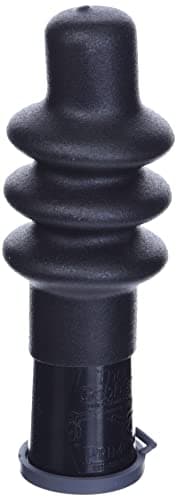 Primos The Gobbler Shaker Call The shaker most hunters picture when they hear "gobble call": Primos says "anyone can pick it up and gobble just like a turkey," one-handed for a jake and two-handed for an adult gobbler, with a patented silencer cap. | Best for two gobble pitches in one callLocator call | 7.7out of 10 | $31.08Amazon |
| 3 | 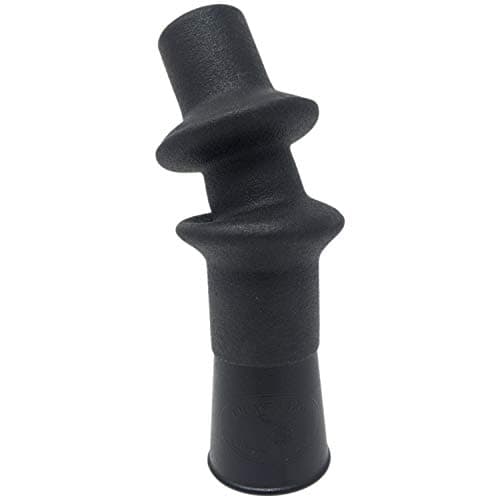 Quaker Boy Challenging Jake A shaker gobble call Quaker Boy builds deliberately around "the high pitch gobble of a young jake" rather than an adult tom, with a rubber bellows, two latex reeds and a silencer cap. | Best for a deliberate jake gobbleLocator call | 7.5out of 10 | Check price on Amazon |
| 4 | 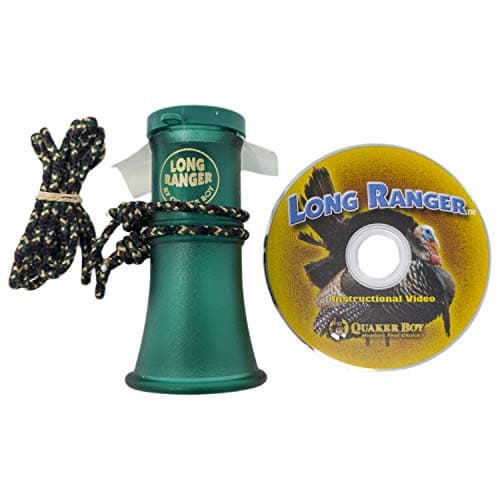 Quaker Boy Long Ranger Tube Call A mouth-blown acrylic tube call rather than a shaker: a latex reed in a horn-shaped body Quaker Boy says amplifies volume and realism over big country, sold with a lanyard. | Best tube call, if you will practiceLocator call | 7.2out of 10 | $17.39Amazon |
#ad · Prices come live from Amazon, last checked November 2, 2026. Scores are ours, computed from published specs and maker claims with the bands on our methodology page, not from field testing. Photos come from each product's Amazon listing; a pick with no current listing shows no photo rather than a stand-in. Tap a row for the full write-up.
How we picked
This is a small category. Four calls are what the two makers who still publish full product pages for gobble calls actually sell: three shakers and one mouth-blown tube. Each is scored on the locator rubric published with our First-Season Score — volume and carry 30%, ease for a beginner 30%, build 20% and carry in the vest 20% — because a gobble call is sold as a locating tool, not as a call you work a bird with.
Every material, claim, included part and warranty term below was read on the maker's own product page and links back to it. Where a maker publishes nothing, the table says “not published” and the score treats it as missing rather than guessing. One material figure — the rubber body of the Primos shaker — comes from an authorized dealer listing, labeled as such, because Primos does not publish one.
We do not test calls and we are not going to tell you how a gobble sounds to a turkey. What we can do is tell you what the makers claim, what the published hunter-safety guidance says about making that particular sound, and which call is in stock.
Should a beginner own one?
Probably not this year, and here is the evidence rather than an opinion.
The NWTF's own guide to locator calls and how to make turkeys gobble walks through owl calls, crow calls, coyote calls, duck and goose calls and even hen calls. It does not include a gobble call at all. That is a striking omission from the organization whose whole business is turkey hunting, and it is the single most useful fact on this page: the standard, published advice for locating a gobbler does not involve gobbling at him.
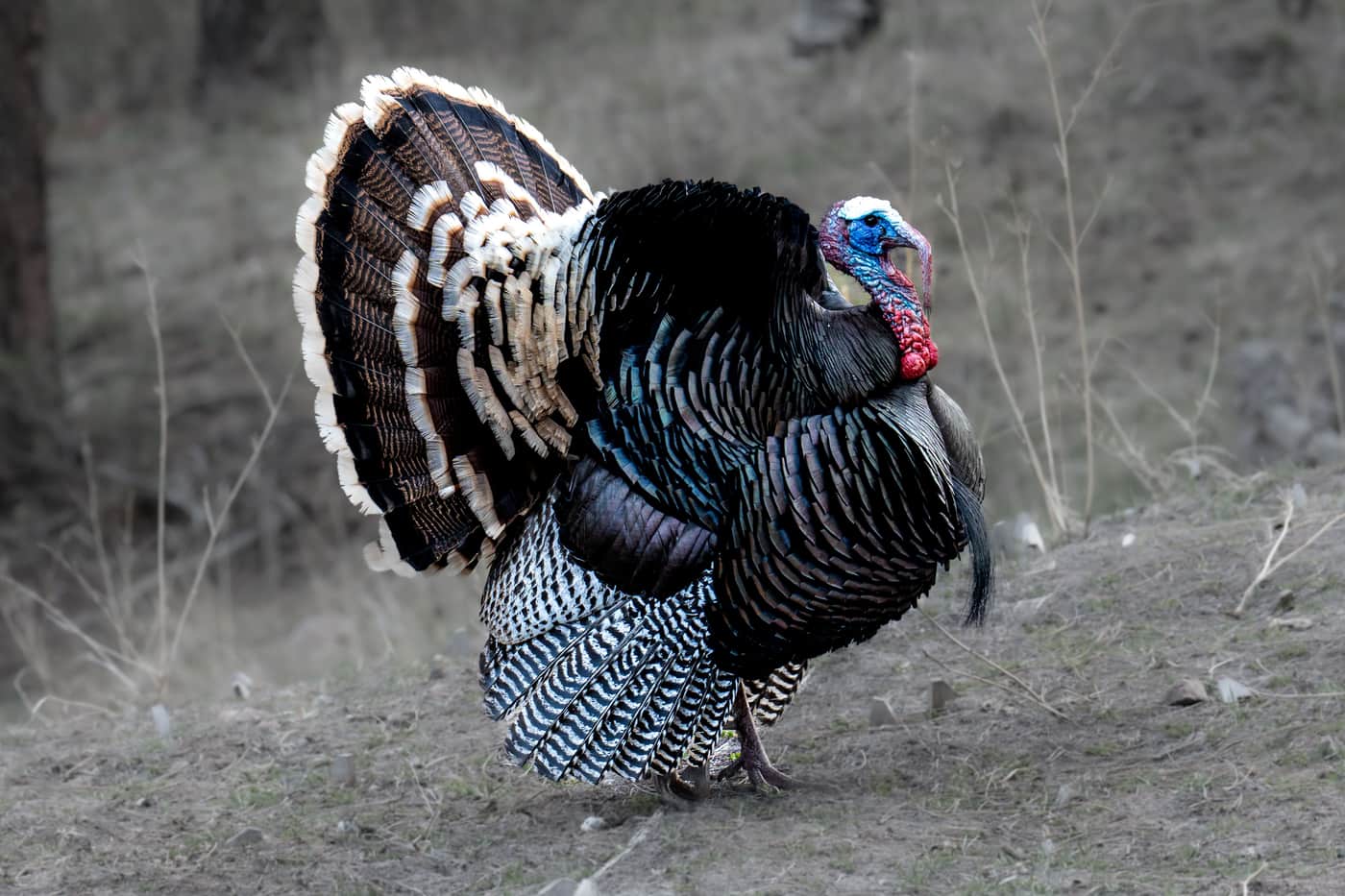
What the gobble call does is different from locating. A shock gobble from an owl hoot is a reflex. A gobble answered by another gobble is a challenge between two toms, and a mature bird can respond to a challenge in three ways: he comes to fight, he leaves, or he shuts up entirely. Two of those three outcomes end your morning. The NWTF's work on the science of gobbling describes gobbling as breeding-season display behavior that peaks and ebbs through the spring — which is also why the same call that pulls a bird in during one week can empty a ridge in another.
If what you actually want is to make a bird gobble so you know where he is, buy a crow call or an owl hooter. Those are ranked in best locator calls, they cost less, and nothing about them makes you sound like a turkey.
The safety problem
Every other turkey call imitates a hen. A gobble call imitates the bird with the legal tag on it. That difference is not theoretical, and it is the reason this page leads with safety instead of ranking.
That is not an argument that gobble calls should not exist. Experienced hunters use them deliberately, on ground they know, usually private, and often late in the season when a henned-up bird will not answer anything else. It is an argument about sequence: this is a tool for a hunter who already knows where other hunters are, and a first-season hunter on public ground does not. The NWTF's commandments of public land turkey hunting are worth reading before you put one in your vest, and our own public land turkey hunting page covers the same ground for a beginner.
Three practical rules if you do carry one. Use it from a setup, not while walking. Use the silencer cap — every shaker here ships with one, and it exists so the call does not gobble on its own as you move. And if you hear a gobble that sounds close and then hear nothing, assume it was a hunter until you have seen a bird.
The four calls, side by side
Every value links to the page it came from. The honest headline of this table is how little any of these makers publish: no weights, no lengths, one warranty between four calls, and not one published decibel figure behind the words “extremely loud” and “super loud.”
Why the Thunderbird wins
The Thunderbird and Primos's The Gobbler both score 7.7, which is exactly what you would expect from two shakers with near-identical published claims. The tiebreak comes down to two things you can verify today.
First, build. Quaker Boy names the body material — acrylic — and Primos names nothing at all; the only material figure for The Gobbler on this page, “rubber,” comes off a dealer listing rather than the maker. Second, availability. The Thunderbird shows in stock on Quaker Boy's own site. Primos lists The Gobbler as sold out and ships it as a pre-order, so every Gobbler you buy right now comes from a dealer's shelf.
The Gobbler earns second place rather than losing outright, because it does one thing no other call here does: it publishes two different gobbles from one tool. One-handed operation gives you a jake, two-handed gives you an adult gobbler. It also carries the only warranty in the group, a one-year Primos warranty against defects, and it is the call every farm store and big-box outdoor section stocks.
The Challenging Jake scores 7.5 and is the most honest product page of the four: Quaker Boy tells you flatly that it makes “the high pitch gobble of a young jake,” which is a narrower claim than “gobble” and therefore a more useful one. If your reason for owning a gobble call is that a dominant tom will not tolerate a jake in his area, this is the call built for that specific idea. It loses half a point to the Thunderbird only on build, because the body material is not named.
The Long Ranger at 7.2 is a different instrument entirely, and the gap is almost all in one metric: it is mouth-blown, so the rubric scores it 6 for beginner ease against the shakers' 9. It gets some of that back on carry, because it is the only call here with a lanyard. More interesting than the score is what a tube can do that a shaker cannot: the same reed will yelp, cluck and cut, so a hunter who learns it owns one call instead of two.
Shaker vs tube
These are the only two designs in the category, and they trade the same way everywhere in calling: no practice versus more range.
A shaker is a rubber bellows with latex reeds in a tube. You shake it or pump it, air moves across the reeds, and it gobbles. There is nothing to learn, which is why all three shakers here score 9 for beginner ease — the same band a push-button call gets on our best push-button turkey calls page. The cost is that the gobble is the only sound it makes, and the call is bulky in a vest pocket.
A tube call is a reed in an open horn you blow across. It does everything a mouth call does plus a gobble, it throws sound farther by design, and it is genuinely difficult at first — closer to the learning curve of the diaphragms on our best mouth calls for beginners page than to anything with a bellows. Buy the tube if you already run a mouth call and enjoy the practice. Buy a shaker if you want the sound on day one.
The two times a gobble call earns its place
A bird that has stopped answering hen calls. Late in the season, a tom with hens does not need another one. A challenge from a rival is a different message, and it is the one argument for a gobble call that experienced hunters make consistently. It is also a gamble: he may come, or he may walk the other way with his hens.
Locating a bird that will not shock-gobble. On a dead-still midday, when an owl hoot and a crow call have both produced nothing, a gobble will sometimes draw an answer from a bird that is done responding to anything else. Our page on how often to call turkeys covers the restraint that should come first, because the usual reason a bird is not answering is that he has heard too much.
Both of those are the back end of a season, not the front. That is the whole reason this page exists in the form it does: the calls are real, the claims are real, and the right advice for most people reading it is to buy a crow call instead.
In detail
The picks, in full
Rank 1
Best gobble call overall
Quaker Boy Thunderbird Gobble Call
An acrylic-bodied shaker gobble call Quaker Boy calls "extremely loud, high pitched, easy to carry," with a silencer cap so it doesn't gobble inside your vest while you walk.
Spec sheetEvery row sourced to the maker
How the 7.7 score breaks down
- Volume & carry (30%)
- 8
- Ease for a beginner (30%)
- 9
- Build (20%)
- 7
- Carry in the vest (20%)
- 6
What the specs support
- The strongest volume claim of the gobble calls here: Quaker Boy says "extremely loud."
- An acrylic body rather than unnamed molded plastic, the best-documented construction in this group.
- Silencer cap included, so the call doesn't sound off while you move.
- Shows in stock on Quaker Boy's own site, which the Primos shaker does not.
Where it falls short
- A high-pitched gobble is a young bird's gobble, and Quaker Boy doesn't say which bird it is imitating.
- No published weight, lanyard or warranty.
- Sold as a locator with no maker guidance on when in the season to use it.
Skip this if…
…you hunt pressured public ground where another hunter could hear the gobble and start walking toward you; nothing about an "extremely loud" gobble call reduces that risk.
#ad · Price as of November 2, 2026 · Disclosure for the link to Quaker Boy Thunderbird Gobble Call
Rank 2
Best for two gobble pitches in one call
Primos The Gobbler Shaker Call
The shaker most hunters picture when they hear "gobble call": Primos says "anyone can pick it up and gobble just like a turkey," one-handed for a jake and two-handed for an adult gobbler, with a patented silencer cap.
Spec sheetEvery row sourced to the maker
How the 7.7 score breaks down
- Volume & carry (30%)
- 8
- Ease for a beginner (30%)
- 9
- Build (20%)
- 7
- Carry in the vest (20%)
- 6
What the specs support
- The only call here that publishes two different gobbles from one tool: one hand for a jake, two for an adult bird.
- Patented silencer cap, and Primos states plainly what it is for.
- "Anyone can pick it up and gobble just like a turkey" is the clearest beginner claim in the group.
- Stocked by national dealers, so it is the easiest gobble call to actually buy.
Where it falls short
- Primos's own store lists it sold out and ships it as a pre-order, so you are buying from a dealer.
- Primos publishes no material, length or weight; the only material figure here comes from a dealer listing.
- No volume figure anywhere, only the words "super loud."
Skip this if…
…you want to buy direct from the maker this week; Primos lists The Gobbler as sold out and ships it as a pre-order.
#ad · Price as of November 2, 2026 · Disclosure for the link to Primos The Gobbler Shaker Call
Rank 3
Best for a deliberate jake gobble
Quaker Boy Challenging Jake
A shaker gobble call Quaker Boy builds deliberately around "the high pitch gobble of a young jake" rather than an adult tom, with a rubber bellows, two latex reeds and a silencer cap.
Spec sheetEvery row sourced to the maker
How the 7.5 score breaks down
- Volume & carry (30%)
- 8
- Ease for a beginner (30%)
- 9
- Build (20%)
- 6
- Carry in the vest (20%)
- 6
What the specs support
- The only call here that tells you which bird it is imitating: a young jake, not a mature tom.
- Rubber bellows, two latex reeds and a silencer cap all published and all included.
- Quaker Boy calls it "simple to use," and it shows stock on the maker's own site.
- Made in the USA (per Quaker Boy).
Where it falls short
- "Remarkable sound quality and volume" is a softer volume claim than the Thunderbird's "extremely loud."
- Quaker Boy doesn't name the body material, publish a weight, or include a lanyard.
- A jake gobble is a narrower tool than a call that does both pitches.
Skip this if…
…you want one call that covers both a jake and an adult gobbler; this one is built for the jake pitch, and the Primos shaker is the two-pitch option.
#ad · Price as of November 2, 2026 · Disclosure for the link to Quaker Boy Challenging Jake
Rank 4
Best tube call, if you will practice
Quaker Boy Long Ranger Tube Call
A mouth-blown acrylic tube call rather than a shaker: a latex reed in a horn-shaped body Quaker Boy says amplifies volume and realism over big country, sold with a lanyard.
Spec sheetEvery row sourced to the maker
How the 7.2 score breaks down
- Volume & carry (30%)
- 8
- Ease for a beginner (30%)
- 6
- Build (20%)
- 7
- Carry in the vest (20%)
- 8
What the specs support
- The only call here with a lanyard included, so it hangs where you can reach it.
- Acrylic body and a published long-range projection claim.
- A tube call isn't limited to a gobble: the same reed yelps, clucks and cuts once you can run it.
- The cheapest call in this group.
Where it falls short
- Mouth-blown, so unlike a shaker it takes real practice before it sounds like a turkey.
- Quaker Boy doesn't itemize which sounds it makes, publish a weight, or state a warranty.
- "The most universally effective call ever" is marketing, not a specification.
Skip this if…
…you want a gobble on your first morning with no practice; this is a reed call, and the shakers are the no-practice option.
#ad · Price as of November 2, 2026 · Disclosure for the link to Quaker Boy Long Ranger Tube Call
Buyer's guide: buying a gobble call once
Buy the silencer cap, not just the call
All three shakers here include one, and it is not a throwaway feature: without it, a bellows call gobbles every time your vest swings. Primos patented its version. If a gobble call you are looking at does not list a silencer cap, that is a real omission rather than a missing nicety.
Decide whether you want a pitch choice
Primos's shaker gives you a jake one-handed and an adult two-handed. Quaker Boy splits the same idea into two products: the Challenging Jake for the young-bird pitch, the Thunderbird for volume. One call that does both is simpler to carry; a call built for one pitch tells you more clearly what sound you are making.
Expect to buy from a dealer
Gobble calls are a small, seasonal category, and maker stock comes and goes. The Primos shaker is sold out on Primos's own store as of this writing while sitting in stock at national dealers. Check the maker first for the spec sheet and the dealer second for the shelf.
Nobody publishes a weight, so judge carry by the lanyard
Not one of these four calls has a published weight, and only the Long Ranger includes a lanyard. A shaker is a tube the length of your hand and lives in a vest pocket; if your vest is short on pockets, best turkey vests covers the ones with real call storage.
The first-season mistake: buying the gobble before the yelp
A gobble call cannot call in a turkey on its own. Hens are what bring a gobbler to a gun, and the yelp is the sound that does the work — which is why the honest order to buy calls in is a box or pot call first, a locator second, and a gobble call years later if ever. Start with best turkey calls for beginners and how to call a turkey.
How we picked this
Scored on the specs that decide your season
Every pick is read off the maker's own specs, materials and instructions, then scored on a public rubric built around a first-season hunter: the sounds a call is made to produce and how it holds up in rain, a choke's load ratings and thread chart, the weights, pockets and seat heights you carry all morning. Each figure links straight to the page it came from, so you can check any pick in one click.
Scores come from that documented research with fixed bands, and prices come live from Amazon with the date they were checked. Commissions never set a score or decide a pick. The rubric and its bands are published.
Corrections & updates
- First published. Maker claims from Quaker Boy and Primos product pages, one material figure and the patent number from a Farm & Fleet dealer listing, safety guidance from the Pennsylvania hunter-safety course and Maryland DNR, locating and gobbling material from the NWTF.
Questions
Frequently asked
What is the best gobble call?
On published evidence, Quaker Boy's Thunderbird: an acrylic-bodied shaker the maker calls “extremely loud, high pitched, easy to carry,” with a silencer cap and two latex reeds included, scoring 7.7 of 10 on our locator rubric. Primos's The Gobbler ties it on score and is easier to find in stock, but Primos's own store lists it sold out and publishes no material.
Is it safe to use a gobble call?
It carries a risk no hen call does, because you are imitating the bird other hunters are hunting. Pennsylvania's hunter-safety course says “never stalk turkey sounds. This could be another hunter calling,” and Maryland DNR tells hunters to never make turkey sounds to signal their presence and to sit behind cover wider than their shoulders while calling. If you use one, call from a setup rather than while walking, keep the silencer cap on in transit, and leave if you think another hunter is working the same bird.
Will a gobble call scare turkeys away?
It can. A gobble is a challenge between males, and a mature tom can answer it by coming to fight, by leaving, or by going silent. That is the trade-off, and it is why the NWTF's own guide to making turkeys gobble covers owl, crow, coyote, duck and goose calls and does not include a gobble call at all.
Should a beginner buy a gobble call?
Not as an early purchase. A crow call or owl hooter does the locating job for less money with none of the mistaken-identity risk, and a hen call is what actually brings a bird to the gun. Buy a box or pot call first, a locator second, and consider a gobble call once you know your ground and the hunters on it.
What is the difference between a gobble call and a tube call?
A gobble shaker is a rubber bellows you shake or pump: it makes one sound, needs no practice, and is bulky. A tube call is a latex reed in an open horn you blow across: it gobbles and also yelps, clucks and cuts, throws sound farther by design, and takes real practice. Three of the four calls here are shakers; Quaker Boy's Long Ranger is the tube.
Where do the specs on this page come from?
Materials, included parts, operation and maker claims come from Quaker Boy's and Primos's own product pages, with one material figure and the patent number for the Primos shaker from an authorized dealer listing because Primos publishes neither. The safety guidance is from the Pennsylvania hunter-safety course and Maryland DNR; the locating and gobbling material is from the NWTF. We do not test calls.
Keep reading
Related on Strut & Slate
- Best locator callsThe owl and crow calls that do the locating job without sounding like a gobbler.
- Best turkey calls for beginnersThe calls to buy first, before anything that gobbles.
- Turkey calls and what they meanWhat a gobble actually says to another bird, and what a yelp says.
- Public land turkey huntingThe ground where a gobble call is the riskiest thing in your vest.
- How often to call turkeysThe restraint that should come before you reach for a louder call.
- Turkey hunting with a bowThe hunt where getting a bird to commit the last twenty yards actually matters.
Receipts
Sources
- Quaker Boy — Thunderbird gobble call product page, SKU #02616 (read 2026-10-12)
- Quaker Boy — Challenging Jake gobble call product page, SKU #02605 (read 2026-10-12)
- Quaker Boy — Long Ranger tube call product page, SKU #12606 (read 2026-10-12)
- Quaker Boy — Turkey Locator & Tube Calls category listing, the whole gobble-call lineup (read 2026-10-12)
- Primos — The Gobbler "Shaker Call" product page, SKU PS222 (read 2026-10-12)
- Blain's Farm & Fleet (authorized dealer) — Primos The Gobbler Shaker Call listing, MPN PS222 (read 2026-10-12)
- Primos — Warranty page, general warranty coverage (read 2026-09-22)
- NWTF — Locator Calls: How To Make Turkeys Gobble (read 2026-09-22)
- NWTF — The Science of Gobbling (read 2026-09-22)
- Hunter-ed.com (Pennsylvania Hunter Safety Course) — Turkey Hunting Safety (read 2026-09-22)
- Maryland DNR — Turkey Hunting Safety Tips (read 2026-09-22)
- NWTF — 10 Commandments Of Public Land Turkey Hunting (read 2026-09-22)
Every spec on this page comes from the maker's own product pages and manuals (or a named dealer's copy where the maker's site blocked us), with sound and performance claims attributed to the maker and any third-party observation attributed to whoever made it. Prices come live from Amazon with the date they were checked. Where a maker leaves a figure unpublished, the page says so and that spec earns the lowest band. Read the full method.