The routine, in five steps
- Hold the pot by its sides, not by the playing surface. Skin oil is one of the two things that kills a pot call.
- Pick the right abrasive for your surface. Slate and aluminum take a scrub pad; glass and crystal take sandpaper, drywall screen or a sanding stone.
- Scuff in straight lines, back and forth in one direction across the whole area you play, until the finish is evenly dull (slate), matte (aluminum) or frosted white (glass and crystal).
- Scuff the striker tip with fine sandpaper, or scrape it lightly, until it is clean and square rather than polished.
- Wipe the dust away and run the call across the scratches, pulling the striker in the direction that crosses the lines you just made. It should bite immediately.
Five minutes at the kitchen table. The whole job is about restoring grip between two surfaces, which is the same principle as chalking a box call — see box call chalk and care for that version.
Why a surface goes slick
A pot call makes sound by friction: the striker grabs the surface, slips, grabs again, hundreds of times a second, and the pot amplifies it. Anything that reduces that grip takes the voice away. There are only four culprits.
- Polish from use. The surface gradually gets burnished smooth where you play it most.
- Skin oil. Primos is blunt about this on its own slate call: “Never touch the slate with your hand as natural oil will create a slick spot.” One fingerprint in the middle of the playing area is enough.
- Dust, grit and chalk. Dust from a vest pocket fills the scratches; chalk from a box call in the same pocket is worse.
- Water. A wet surface does not condition, it just turns the dust to paste. That is its own problem, covered below.
Makers treat conditioning as basic setup rather than a repair. Knight & Hale's instruction for its Slate Hammer is simply to “make sure the call is appropriately conditioned with the included scouring pad.” Primos says of its Jackpot that “keeping your Jackpot slate surface roughed up with the enclosed conditioning pad will produce the best results.” Both calls ship with the tool in the package, which is the strongest hint there is that this is a job you are expected to do before the first yelp.
The right abrasive for your surface
This is where most beginners go wrong, usually by taking the pad that came with a slate call to a glass one and concluding the glass call is a dud.
- Slate: the scouring pad or conditioning pad in the package. Slate is soft; it does not need and should not get coarse sandpaper. Aim for an evenly dull grey, with no shiny patch where you play.
- Aluminum: a scrub pad as well. Some anodized aluminum surfaces need nothing at all — Primos says its Rare Breed Aluminum “requires no conditioning, so it's ready to call out of the box.” Read the maker's page before you scuff an aluminum call.
- Glass and crystal: sandpaper, drywall screen or a sanding stone, per the NWTF. Phelps describes the motion for a stone on crystal or aluminum: run it “in a left to right motion until the crystal/aluminum appears white and frosted,” then run the striker top to bottom across those scratches. The frosted look is the test. Shiny glass will not talk.
- Two-sided calls: condition each side with its own tool. A glass-over-slate pot needs both the pad and the stone, which is worth knowing before you buy one — see best glass turkey calls.
Straight lines, not circles
The NWTF's instruction is specific and most hunters ignore it: “Run them in a straight line back and forth, not in circles.”
The reason is that the striker travels in a consistent direction when you call, and a surface scratched in one direction gives it a consistent bite. Circular scuffing leaves the grain running every way at once, so the call sounds slightly different depending on where in the stroke you are — which is exactly the inconsistency that makes a new caller think their hand is the problem.
The habit that goes with it: condition in one direction, then run the striker across those lines rather than along them. Phelps spells this out as scuffing left to right and then running the striker top to bottom. Keep your calling stroke in the same orientation every time and your yelp will be repeatable.
Condition the striker too
Half the people with a dead pot call have a clean surface and a polished striker tip. Primos is direct about it: “You must keep the tip of your striker clean and free of any build up.” The NWTF notes that “some prefer a light-grain sandpaper for this, and others use a pocket knife to gently scrape the tip.”
- Wood tips glaze over and pick up chalk and dust. Fine sandpaper, a few light passes, keeping the tip shape square rather than rounding it off.
- Carbon and synthetic tips need less. WoodHaven's Carbon Striker is a hollow carbon dowel under a maple head, built for “raspy, high pitched yelps and crisp cuts,” and the shaft does not soak up water the way bare wood does.
- Never oil a striker tip. Not furniture polish, not gun oil, nothing. Oil on a friction surface is unrecoverable without re-conditioning both parts.
One striker per surface is the upgrade most hunters notice more than a second call. Six of them are ranked in best slate call strikers.
How often, and how to tell
By symptom, not by schedule. Condition when the call tells you to:
- It slides silently under the striker: the surface is slick. Condition it.
- It squeaks or screeches rather than yelping: usually too much pressure, so lighten your grip first. The NWTF's pot-call instruction is to “rest the pot on your fingertips, and grip it so lightly that it could fall out if you turned your hand over,” using “light, even pressure to drag the striker across the call surface.”
- The tone has gone flat or dull: condition the surface and the tip, in that order.
Prevention beats repair. On NWTF call care, Steve Hickoff writes that “keeping calls clean is the best way I know to avoid having to condition frequently,” and he carries pot calls in drink koozies, which he says “make great pot and trough call protectors and reduce any rattling against other items.” A pot call in its own vest pocket, surface-up, conditioned at home before the season, is a call that will work on opening morning.
Four things that ruin a pot call
A wet call is a different problem
Conditioning does nothing for water. A soaked slate surface and a damp wood striker will not make a hen sound no matter how you scuff them, and wet slate conditions into mud.
The honest answer in rain is a different surface. Primos calls aluminum “the most weather-resistant calling surface” and publishes the fix: if it gets wet or oily, wipe it with an alcohol wipe, let it dry and keep calling. Knight & Hale sells a striker with a tip it says “performs in all weather conditions.” Dry the wood at room temperature with moving air, never on a heat vent, and read best waterproof turkey calls before the forecast makes the decision for you. Where the birds go on those mornings is in turkey hunting in the rain.
What to buy for this
Conditioning tools come in the box with most pot calls, so the useful purchases are the ones that reduce how often you need them. These three are scored on the rubrics published with our First-Season Score — the pot call on the call rubric, the two strikers on the accessory rubric, so their numbers are not interchangeable.
Our picks for this
One call that needs no conditioning, two strikers that need little
If the conditioning routine is what you want to avoid, this is the gear that avoids it: an anodized aluminum surface the maker says is ready out of the box, and two strikers that are not bare hickory.
Best no-prep aluminum pot call
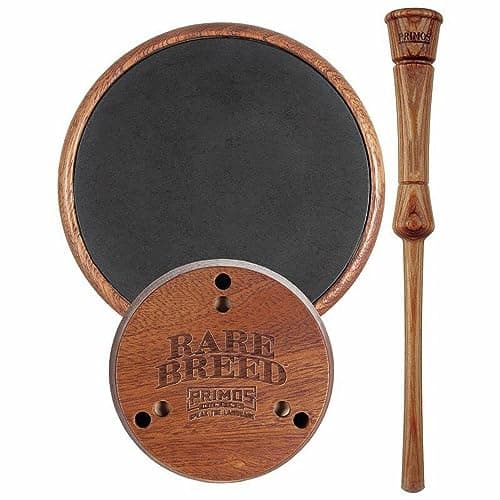
Primos Rare Breed Aluminum Turkey Pot Call
Pot call6.4/10Primos says it "requires no conditioning, so it's ready to call out of the box," and calls aluminum its "most weather-resistant calling surface," with a published wipe-and-dry fix if it gets wet or oily.
$62.96Amazon#ad · Price as of November 3, 2026 · Disclosure for the link to Primos Rare Breed Aluminum Turkey Pot Call
Best carbon striker for a high, raspy hen
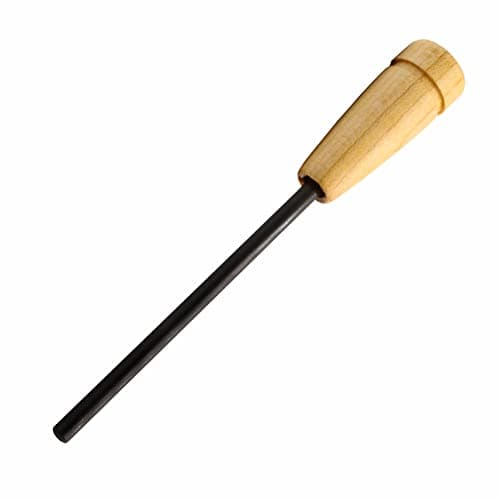
WoodHaven Custom Calls Carbon Striker
Call accessory7.0/10A hollow 1/4 in carbon dowel under a maple head. WoodHaven says it creates raspy, high-pitched yelps and crisp cuts, and changes tone with the surface and the pressure - a carbon shaft also does not swell the way bare wood does.
$19.99Amazon#ad · Price as of November 3, 2026 · Disclosure for the link to WoodHaven Custom Calls Carbon Striker
Best striker for wet mornings
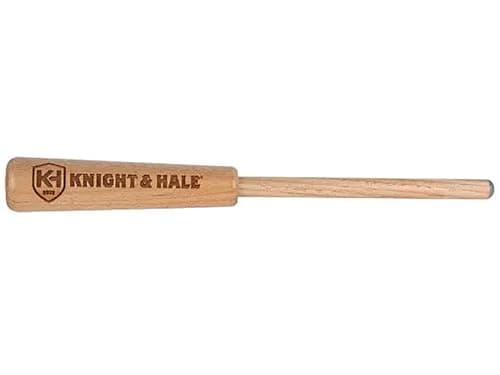
Knight & Hale Waterproof Striker
Call accessory7.4/10The only striker in our registry with a published weather claim: hickory with a proprietary Powertip that Knight & Hale says "performs in all weather conditions." Knight & Hale also says it works with all pot calls.
$26.99Amazon#ad · Price as of November 3, 2026 · Disclosure for the link to Knight & Hale Waterproof Striker
If your call did lose its pad, the NWTF's list is the shopping list: a scrub pad for slate and aluminum, sandpaper or a sanding stone for glass and crystal, and fine sandpaper for striker tips. None of it is turkey-specific or expensive. Keep a scrap of each in the vest; the conditioning you do at the truck at 5 a.m. is the conditioning that counts.
How we picked this
Scored on the specs that decide your season
Every pick is read off the maker's own specs, materials and instructions, then scored on a public rubric built around a first-season hunter: the sounds a call is made to produce and how it holds up in rain, a choke's load ratings and thread chart, the weights, pockets and seat heights you carry all morning. Each figure links straight to the page it came from, so you can check any pick in one click.
Scores come from that documented research with fixed bands, and prices come live from Amazon with the date they were checked. Commissions never set a score or decide a pick. The rubric and its bands are published.
Corrections & updates
- First published. Conditioning tools and stroke direction from the NWTF; surface-specific instructions from Knight & Hale, Primos, Phelps and WoodHaven.
Questions
Frequently asked
How do you condition a slate call?
Hold the pot by its sides and scuff the slate with the scouring pad that came with it, working in straight back-and-forth lines rather than circles, until the surface is evenly dull with no shiny patch. Then clean the striker tip with fine sandpaper, wipe the dust off, and run the striker across the lines you made.
What do you use to condition a turkey pot call?
It depends on the surface. The NWTF specifies scrub pads for slate and aluminum, and sandpaper, drywall screen or a sanding stone for glass and crystal. Most pot calls ship with the right tool for their own surface; a two-sided call needs both.
Can you use sandpaper on a slate call?
Use the scouring pad instead. Slate is soft, and coarse sandpaper removes material you cannot replace. Save sandpaper and sanding stones for glass and crystal surfaces, and fine sandpaper for striker tips.
Which direction do you condition a pot call?
Straight lines, back and forth, in one direction — the NWTF says explicitly not to work in circles. Then run the striker across those scratches rather than along them. Phelps describes it as scuffing left to right and calling top to bottom.
How often should you condition a slate call?
When the sound changes, not on a schedule. A call that slides silently needs conditioning; a call that squeaks usually needs a lighter grip first. Keeping the call clean and in its own pocket is what makes conditioning rare.
Why won't my slate call make a sound?
Work through four causes in order: gripping the pot or striker too tightly, a slick or fingerprinted surface, a glazed striker tip, and water. The first costs nothing to fix, the next two take five minutes, and the last one means switching to an aluminum surface or a mouth call for the morning.
Do aluminum turkey calls need conditioning?
Some do and some do not. The NWTF groups aluminum with slate for scrub-pad conditioning, but Primos says its Rare Breed Aluminum “requires no conditioning, so it's ready to call out of the box.” Check the maker's own page before you scuff an anodized surface.
Keep reading
Related on Strut & Slate
- How to use a slate callThe grip, the strokes and the sounds, once the surface is right.
- Best slate call strikersSix strikers ranked, including one with a published weather claim.
- Slate vs glass vs aluminumWhich surface you own, and what it asks of you.
- Box call chalk and careThe same job on the other kind of friction call.
Receipts
Sources
- NWTF — Help! (Part 1) My Friction Calling Stinks! (read 2026-09-22)
- NWTF — Turkey Call Care (read 2026-09-22)
- Knight & Hale — Slate Hammer Pot Call (LBL Series) product page, SKU KHT0238 (read 2026-09-22)
- Knight & Hale — Glass Hammer Pot Call (LBL Series) product page, SKU KHT0239 (read 2026-09-22)
- Knight & Hale — Waterproof Striker product page, SKU KHT0233 (read 2026-09-22)
- Primos — Jackpot Slate Turkey Pot Call product page, SKU 216 (read 2026-09-22)
- Primos — Rare Breed Aluminum Turkey Pot Call product page, SKU PS2905 (read 2026-09-22)
- WoodHaven Custom Calls — Carbon Striker product page (hollow 1/4 in carbon dowel, maple head) (read 2026-10-05)
- WoodHaven Custom Calls — FAQ page (read 2026-09-22)
Every spec on this page comes from the maker's own product pages and manuals (or a named dealer's copy where the maker's site blocked us), with sound and performance claims attributed to the maker and any third-party observation attributed to whoever made it. Prices come live from Amazon with the date they were checked. Where a maker leaves a figure unpublished, the page says so and that spec earns the lowest band. Read the full method.